K-State veterinarian shares Thanksgiving pet safety tips

By Rylee Moore
College of Veterinary Medicine
Monday, Nov. 23, 2026
Thanksgiving brings family, food and festivities, but some holiday traditions can pose unexpected risks to pets. Susan Nelson, clinical professor and veterinarian at Kansas State University's Hill's Pet Health and Nutrition Center, encourages pet owners to be mindful of potential hazards while preparing for celebrations.
Thanksgiving foods pets should avoid
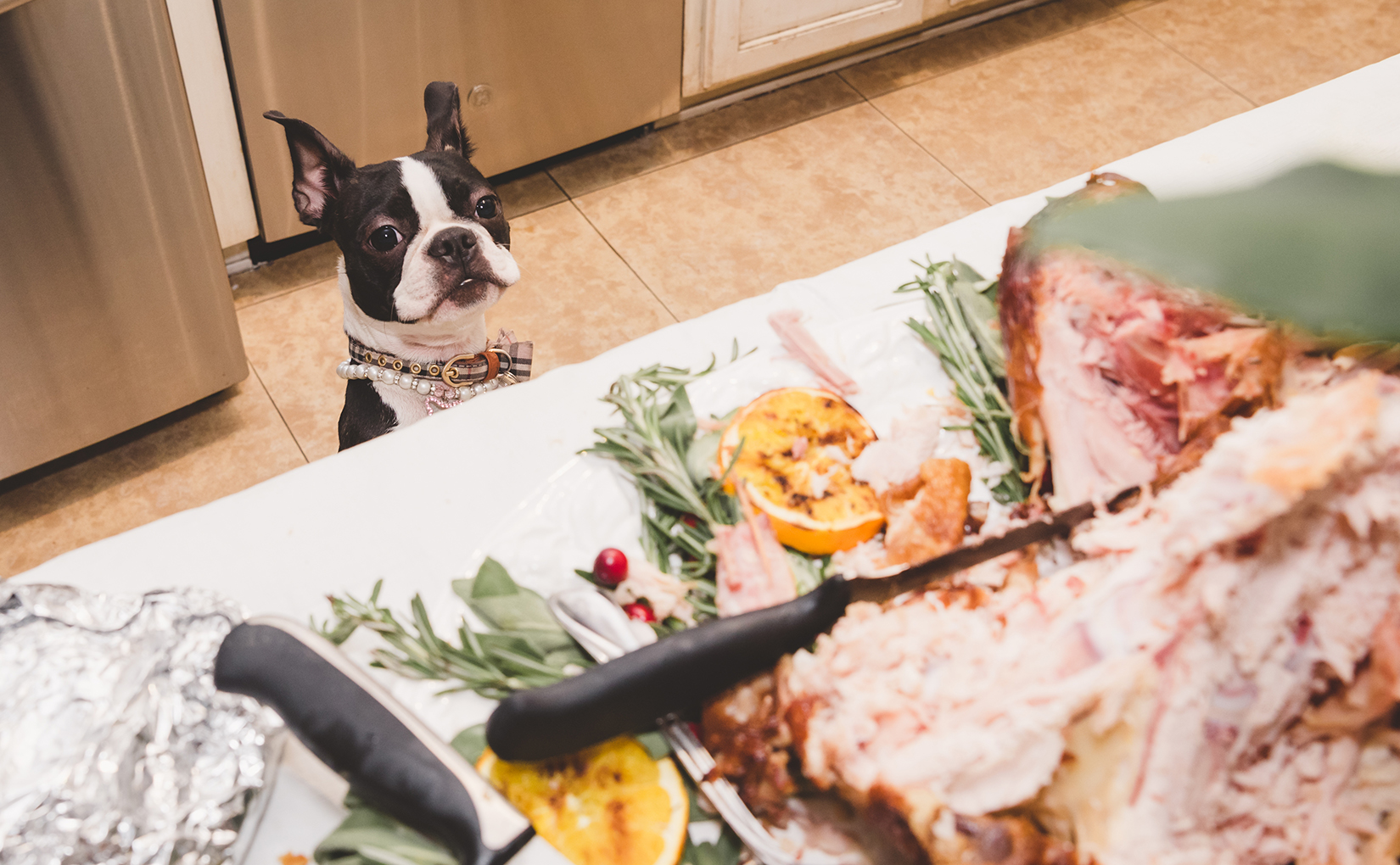
While sharing Thanksgiving dinner with pets may be tempting, many traditional holiday foods are toxic to dogs and cats and can cause serious health problems.
"Bones can damage teeth, cause choking or lead to gastrointestinal complications," Nelson said. "Corn cobs can also cause life-threatening gastrointestinal complications if swallowed."
Fatty foods, including gravy, ham, butter, dark meat and meat drippings, are foods pets should avoid as they can cause gastrointestinal upset and, in severe cases, pancreatitis. Raw meat scraps should also be kept away from pets and people.
Other holiday ingredients, including garlic, onions, leeks and chives, can damage pets' red blood cells. Raw bread dough can cause bloating and alcohol poisoning. Chocolate, grapes, raisins, currants, macadamia nuts, xylitol, and alcohol or caffeinated beverages should also be kept away from pets.
What Thanksgiving treats are safe for pets?
Nelson says that pet owners who want to treat their pets to Thanksgiving foods can consider the following options:
- Plain vegetables without butter
- Chopped apples
- Plain pumpkin
- Sweet potatoes without butter
Avoid kitchen and decoration hazards
The kitchen can be especially tempting for pets during Thanksgiving meal preparation. Nelson recommends using baby gates or other barriers to keep pets away from food-preparation areas.
Garbage should be secured in closed, pet-proof containers. Baking twine, aluminum foil and other food-related waste can attract pets because of lingering food scents and may cause gastrointestinal obstructions if swallowed.
Holiday decorations can also create hazards. Open flames from candles can cause burns or start fires if knocked over, making battery-operated candles a safer alternative.
"Pet owners should also be mindful of floral arrangements," Nelson said. "Lilies can be deadly to cats. All parts of the plant are toxic, and even small exposures to pollen can be dangerous. Certain lily species can also be harmful to dogs."
If you suspect your pet has ingested something dangerous, contact your veterinarian immediately or call the ASPCA Animal Poison Control Center at 888-426-4435 or the Pet Poison Helpline at 855-764-7661 for guidance.
Help pets feel comfortable around holiday guests
Thanksgiving gatherings can be overwhelming for pets that are uncomfortable around unfamiliar visitors or increased activity. For pets that become anxious, Nelson recommends providing a quiet room away from guests with a favorite toy or food puzzle to keep them occupied.
Pet owners should also be mindful of doors opening and closing as visitors arrive and leave. Keeping pets properly identified with updated microchip information and ID tags can help reunite them with their owners if they escape.
"For pets with more severe anxiety, owners should consult their veterinarian ahead of holiday gatherings about appropriate ways to manage their stress," Nelson said.