Finding her people
How doctoral recipient Priyanka Gautam turned a computer science club into a community
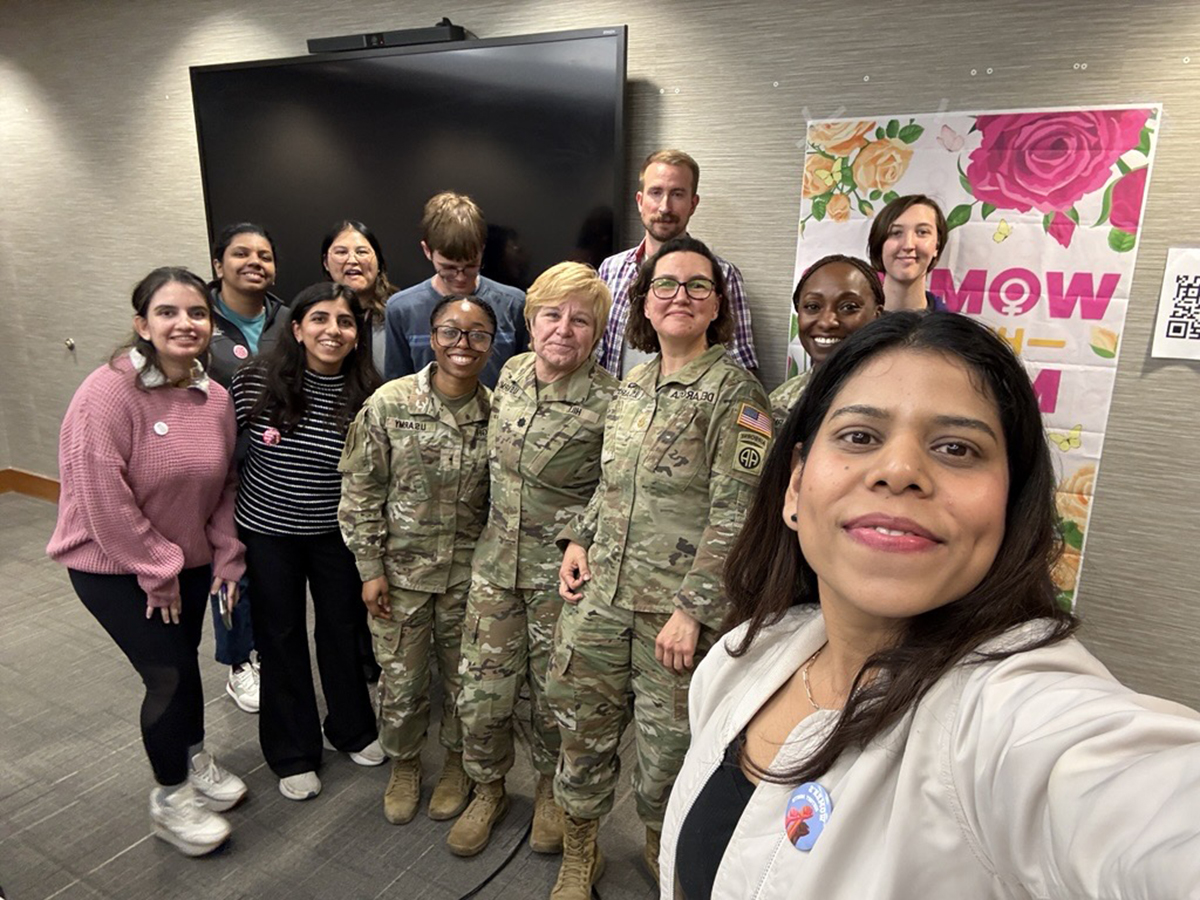
ACM-W Women's day celebration with Fort Riley.

By Julia Hall
Graduate School
Friday, Oct. 9, 2026
Sometimes the best part of graduate school isn't in the lab. It's in the group chat, the weekly coding sessions, and the workshop that turned into a friendship.
For Priyanka Gautam, building a community around her interests was the catalyst for personal and professional development during her time at Kansas State University.
Gautam arrived at Kansas State University in fall 2022 to pursue a doctorate in electrical and computer engineering, drawn by a love of building things and a curiosity that a master's degree and a few years in the industry hadn't fully satisfied.
Much of Gautam's doctoral work focused on graphs, machine learning and network science, with a specific focus on developing sustainable infrastructure for Kansas communities to strengthen systems in the event of a disaster. Gautam's research operates at the intersection of multiple industries and requires communication and coordination with partners across power systems, civil infrastructure, and social scientists.
As Gautam leaned into that work, she found herself energized and looking for a community to learn alongside, share her research, and talk about what's happening in the industry.
"My main motivation was to share what I have learned and pass it on to others," Gautam said. "I wanted to create a support system for other people interested in coding."
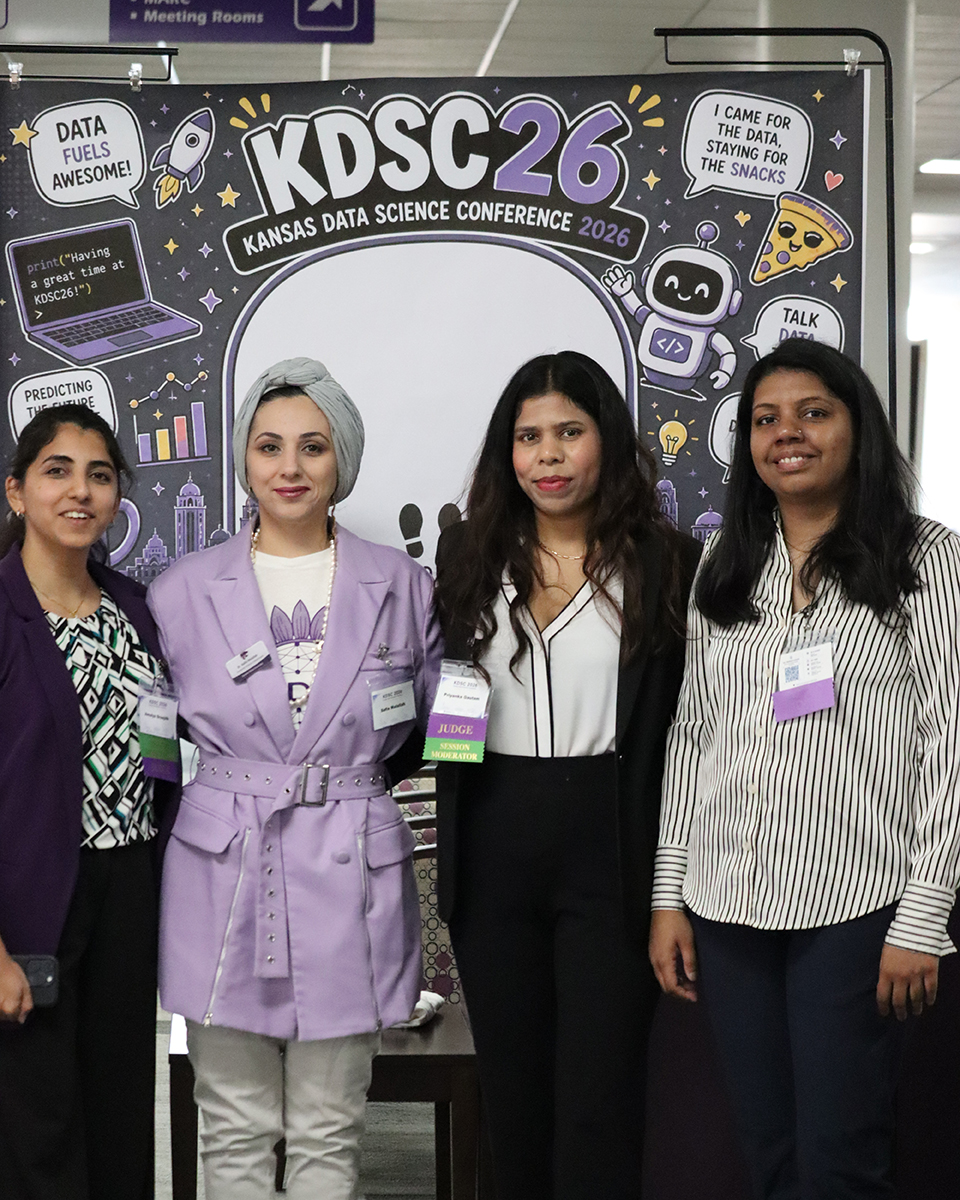
Gautam connected with Safia Malallah, assistant professor in computer science, and shared her vision for transforming K-State's existing chapter of the Diversity in Computing Club by connecting it with the "Association for Computing Machinery and ACM Council on Women in Computing."
"What impressed me was how quickly Priyanka turned that vision into reality," Malallah said.
"In a very short time, she brought together an amazing group of students and built a strong, active organization. Whether she was organizing technical workshops, research-focused sessions, professional development, or social and community activities, there was always a clear purpose and a high level of quality behind them."
From a few friends to a full ecosystem
Under Gautam's leadership, the organization quickly evolved. Gautam introduced weekly coding sessions where anyone interested in coding could come learn and code with others.
These weekly sessions became a key pillar of the organization, helping students across disciplines develop technical skills and build confidence for internships and careers.
"By creating a consistent and collaborative learning environment, we have supported students from all academic backgrounds in strengthening their problem-solving abilities and technical foundations," Gautam said.
From there, the organization expanded to offer workshops such as "Getting Started with Research" and Overleaf training to support academic and professional development.
"These initiatives address critical gaps in research readiness and technical communication," Gautam said.
The group also became a go-to spot for members to keep up with the latest in machine learning and artificial intelligence.
Building a network beyond campus
The organization didn't stop at skill building. It became a launchpad for connections across communities.
A recruitment-focused session with Lambda AI, a leading AI infrastructure company, provided students with direct insight into real-world opportunities and expectations. Their participation in Women's History Month events included a panel on women in academia and leadership featuring K-State faculty and U.S. Army professionals from Fort Riley, bringing together students, faculty, and external leaders to share experiences, mentorship and career insights.
These events fostered a strong sense of community and representation across disciplines.
The club also collaborated with ACM-W to introduce K–12 students in the Manhattan community to computing and artificial intelligence. They developed interactive sessions and hands-on exercises that cover AI basics and virtual reality, making complex topics accessible and engaging for younger audiences.
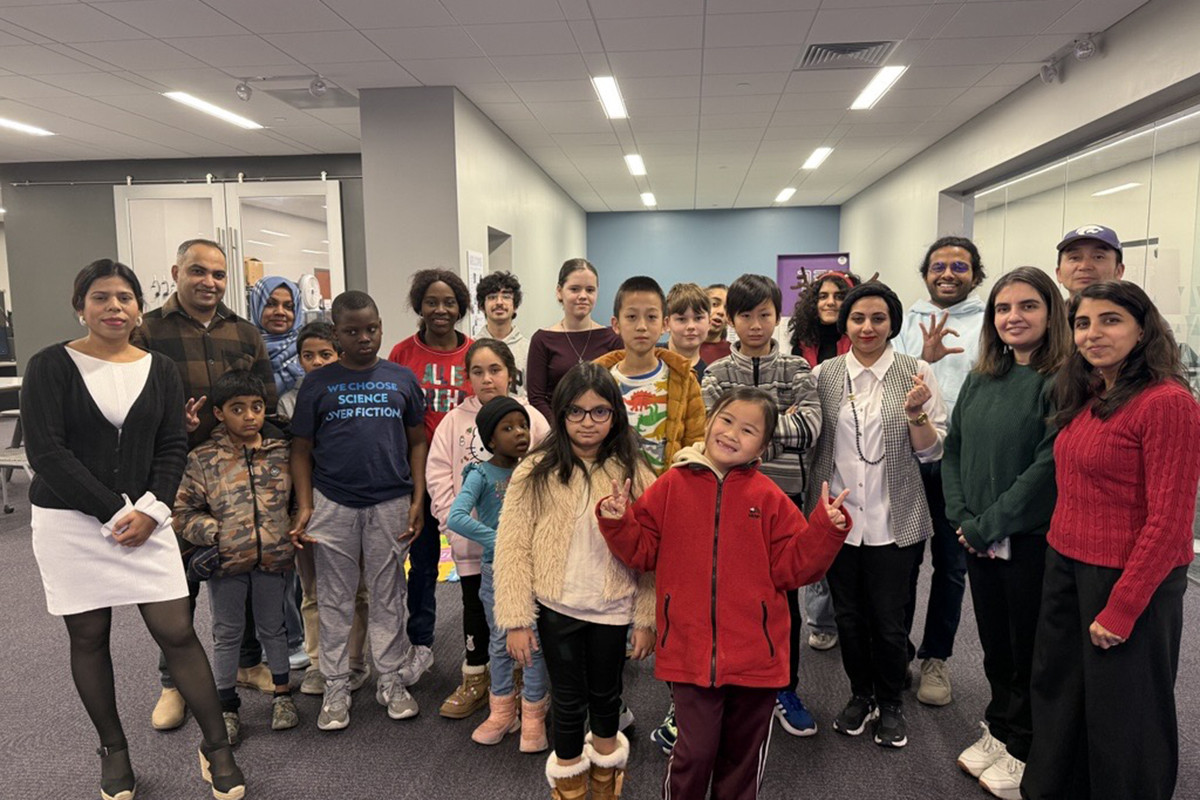
These efforts aim to inspire students to develop an early interest in science, technology, engineering and math and to reduce barriers to entry in those fields.
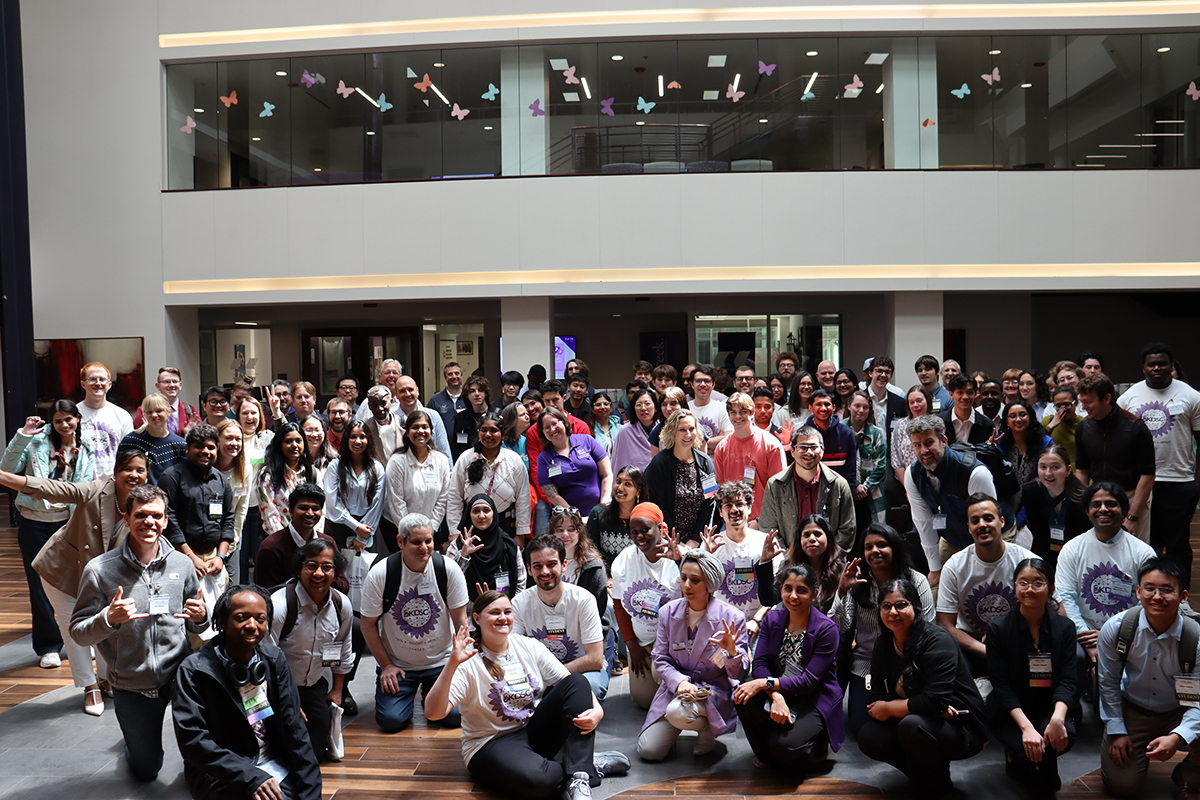
The chapter's reach now extends across campus and beyond, with members contributing to National Science Foundation Established Program to Stimulate Competitive Research Track-1 initiatives, helping shape the K-State Data Science Conference, volunteering at hackathons and partnering with other ACM chapters to organize collaborative events.
Next year, the chapter is sending three students to the Grace Hopper Celebration, a first for the group.
Gautam, who earned her doctorate in summer 2026, said she is proud of the group’s work and the sense of community it has brought to campus.
"Through combined efforts with the computer science department, the organization, ACM-W Student Chapter at Kansas State University, has created meaningful service-driven impact by supporting student growth, fostering inclusion, engaging the community, and building connections across academia and industry," Gautam said. "Our initiatives are designed not only to address current needs but also to create a lasting foundation for future students in computing."
Learn more about getting involved in student groups around campus on OrgCentral.