
Engineered for impact
Jessica Heier Stamm is using the science of better decision-making to make a difference in the lives of others, including those in her classroom.

By Abbigail Marshall and Amanda Hardy
Division of Communications and Marketing
Friday, Oct. 16, 2026
Every day, countless decisions are made.
Some are as simple as choosing what to eat for breakfast. Others carry far greater weight, like determining how resources reach people in times of crisis.
Jessica Heier Stamm, associate professor of industrial and manufacturing systems engineering, has dedicated her career to studying the science behind complex decision‑making. But while her work is rooted in algorithms, her passion lies in people.
Much of Heier Stamm's research focuses on improving humanitarian relief and public health logistics, using mathematical models to understand how decisions affect the systems people rely on.
"Say there's been a hurricane. We've got decisions to make about how to allocate the resources that we have," she said.
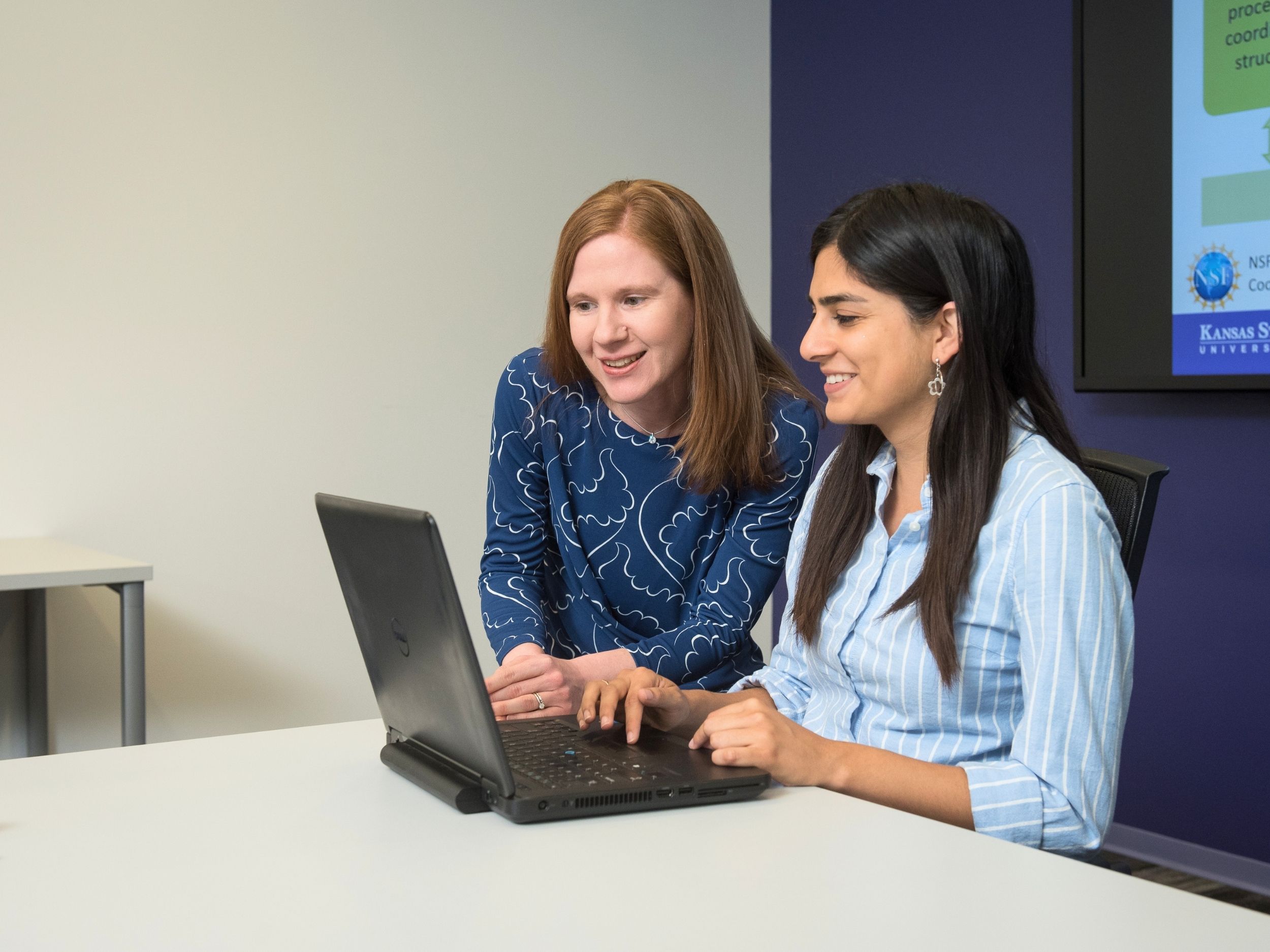
By studying how organizations coordinate resources and respond to emergencies, she works to identify opportunities to make those systems more efficient and effective.
For Heier Stamm, the people who benefit from those improvements are what make the research meaningful. It's a perspective she also brings to the classroom, where she says she's always wanted to be.
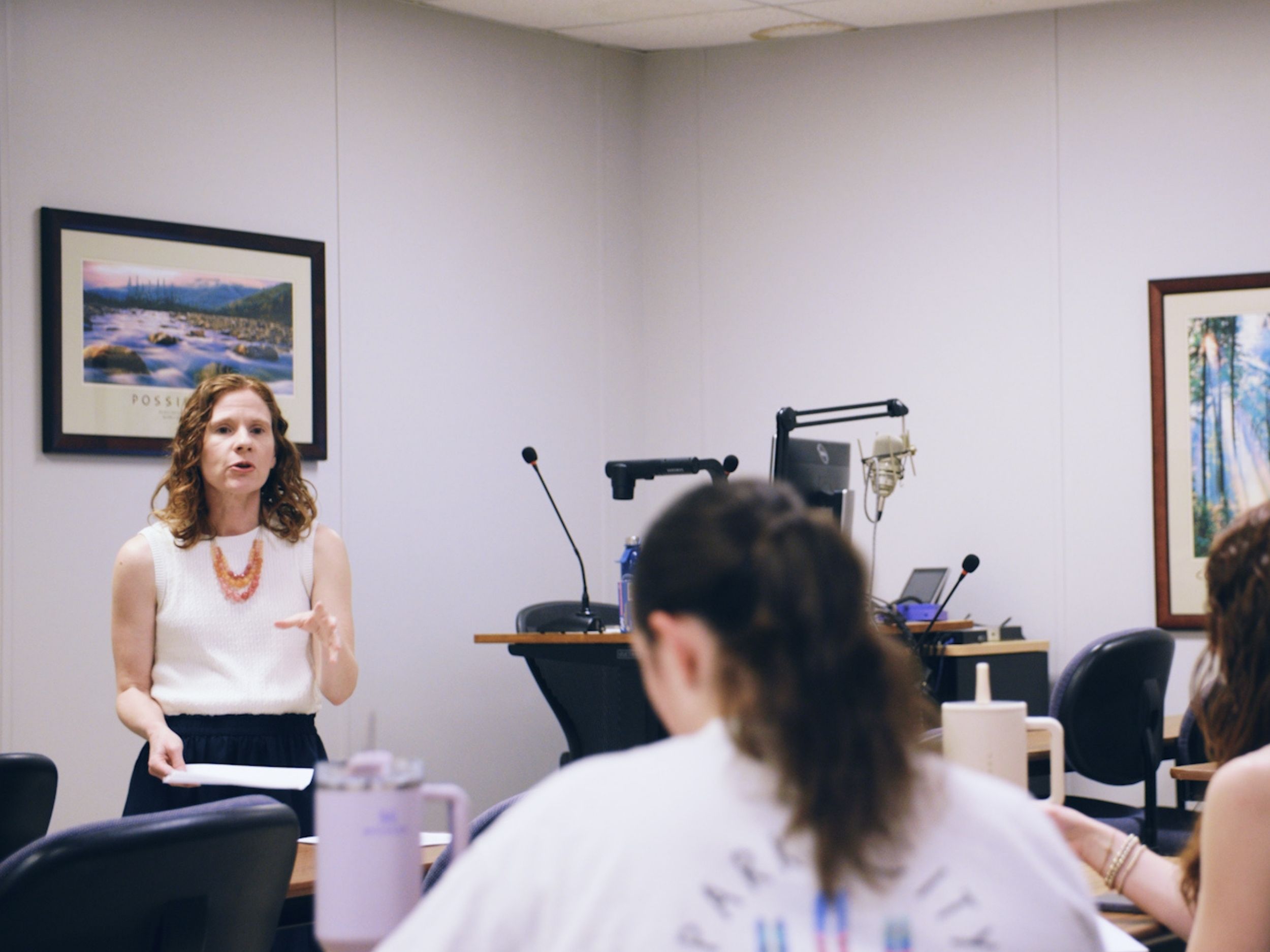
“Good teaching in engineering matters because there are big problems to solve that require the skills engineers bring to the table.”
Jessica Heier Stamm
"I knew I wanted to be a teacher before I knew I wanted to be an engineer," she said. "When I saw that I could apply the engineering problem-solving set and teach others ways to use that, it was like the best of both worlds."