Bridging the gap
Connecting resources and jumpstarting support with Case Management
By Morgan Greene
Division of Academic Success and Student Affairs
Monday, Oct. 5, 2026
College life can come with challenges in and out of the classroom. Students may find themselves struggling academically, trying to navigate university resources or looking for support with basic needs such as food, housing or mental health care.
For students already balancing academics, jobs and extracurricular activities, figuring out where to turn first can add another layer of stress.
That’s where case management can help.
Case management is a solution-focused, nonclinical approach to assisting students with a variety of needs. Case managers help students work through challenges, develop skills to make progress and identify possible solutions.
Students turn to case managers for a wide range of concerns, including academic challenges, financial stress, personal or family concerns, understanding university services, time management or a combination of needs.
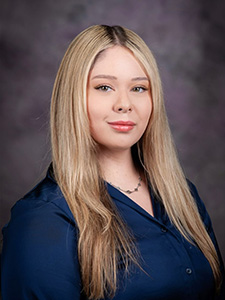
“A big part of our role is helping students break down what feels overwhelming, identify what needs attention first and connect them with the right resources,” said Stef Delatorre, case manager.
Support is a group project
The program works collaboratively across the university to connect students with the support they need.
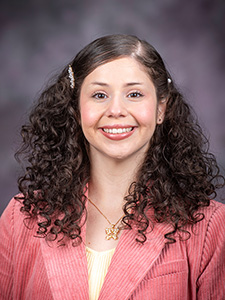 “We really serve as a bridge between different offices and resources across campus,” said Anahi Rodriguez, case manager. “We work closely with Housing and Dining Services, Student Support and Accountability, and many other campus partners, so that collaborative piece is really central to what we do.”
These partnerships help bring resources directly to students. The newly established Paws and Chat programs, for example, brought campus resources into the residence halls after hours.
“It was really successful,” said Rodriguez. “We saw students connect with offices and resources they may not otherwise have accessed. This semester, we’ve partnered with Counseling and Psychological Services to offer Lock In: Understanding Executive Functioning. This collaboration has been especially exciting because it allows CAPS to provide the psychoeducation around executive functioning, while Case Management helps students take the information and turn it into practical skills they can use in their everyday lives.”
Meeting student needs on and off campus
The program focuses on a practical, individualized approach. It is designed to be flexible and adaptable, so each student receives a level of support that fits their circumstances.
“Some students may only need one meeting to talk through a concern, develop a plan, and get connected to resources,” said Delatorre. “Others may meet with us periodically throughout the semester or longer. We tailor the level of support to the students and their individual needs.”
Student needs don’t stop when they leave campus, and case managers also help students navigate community resources.
“We understand that students’ needs do not stop at the boundaries of the university, so we can help them navigate off-campus services related to mental health, healthcare, housing, food, finances, legal concerns and more,” said Delatorre. “We can help students understand their options, identify services that fit their circumstances, and make those connections feel more manageable.”
Breaking barriers to campus services
Case management is a free resource available to any enrolled student. The program has offices in the residence halls to make support more accessible to students living on campus, but any student can connect with a case manager.
“We try to remain as accessible as possible,” said Rodriguez. “Not every student needs the same level or duration of support.”
Students can schedule a meeting through Navigate. Faculty and staff can also refer students who may benefit from the program.
“Some of our most meaningful successes are individual, like seeing a student who initially feels completely overwhelmed begin to develop a plan, advocate for themselves, reconnect academically, or access resources they didn’t know existed,” said Rodriguez.
Leading the way in higher education
The program’s work also extends beyond K-State.
“We’re really proud of how much Case Management has grown and become integrated across campus,” said Delatorre. “We recently had the opportunity to present K-State’s case management program at the Higher Education Case Managers Association’s annual conference. Through that presentation, we connected with several new and developing case management programs and shared resources we created at K-State. Those resources are now being utilized and cited by programs throughout our national professional association.”
The program continues to grow as student needs evolve.
Delatorre views case management as an open invitation for campus partners to collaborate on programs and events, with the shared goal of connecting students with the support and resources they need.