Pourkargar to modernize integrated chemical manufacturing and energy systems
NSF CAREER award advances engineering professor's research to build a more resilient future

By Grant Guggisberg
Carl R. Ice College of Engineering
Thursday, Sept. 17, 2026
A growing variety of everyday essential items depend heavily on modern chemical manufacturing. Fuels, fertilizers, medicines, plastics and other advanced materials rely on complex, energy-intensive production networks, which face growing threats from cyberattacks, supply chain bottlenecks and volatile market shifts.
To build a more resilient future, Kansas State University researcher Davood B. Pourkargar has secured a more than $500,000 National Science Foundation Early Career Development Program award, known as a CAREER award, to pioneer secure, intelligent computational architectures for integrated polygeneration systems.
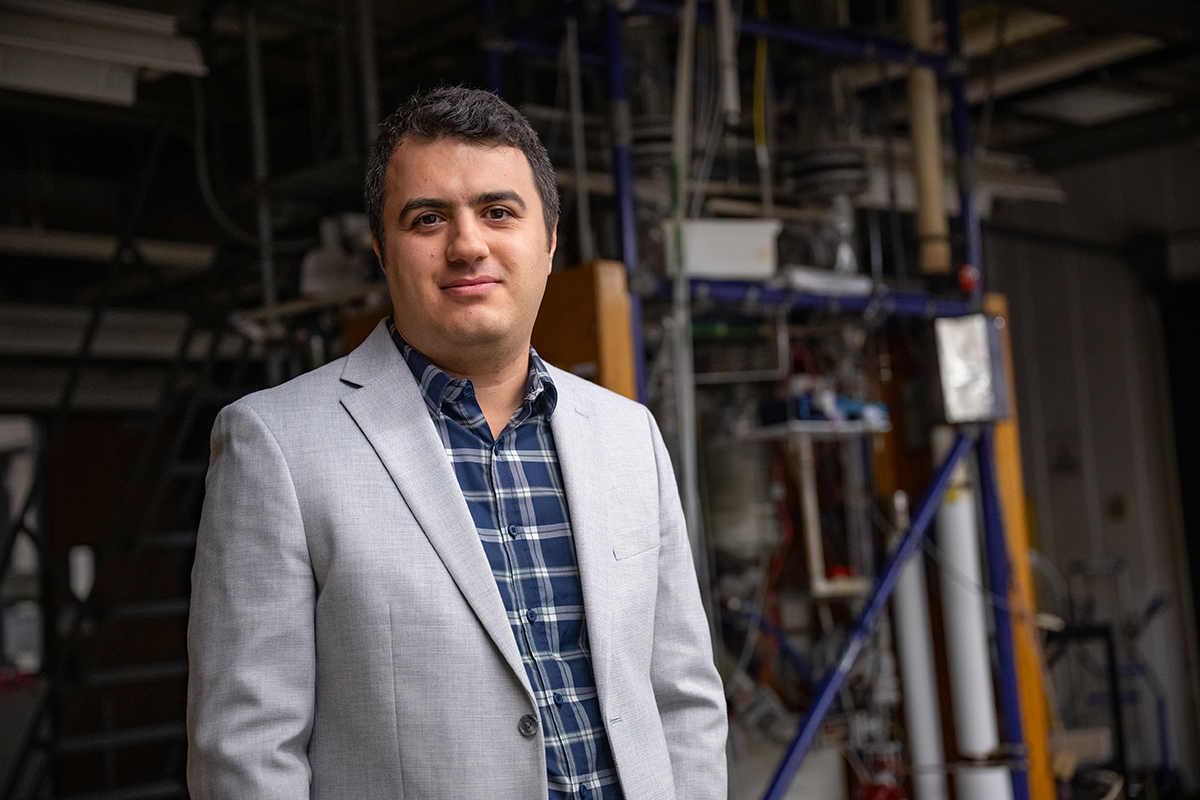
“Our goal is to equip complex chemical and energy systems with the digital intelligence to learn, coordinate and adapt securely in real time, helping make manufacturing more efficient, resilient and autonomous.”
Pourkargar
Polygeneration plants produce multiple vital outputs simultaneously, such as ammonia, hydrogen and methanol, making them remarkably energy-efficient for chemical manufacturers. Yet managing them in real time is notoriously difficult because individual subsystems often operate on incompatible computational infrastructure that cannot safely share operational data.
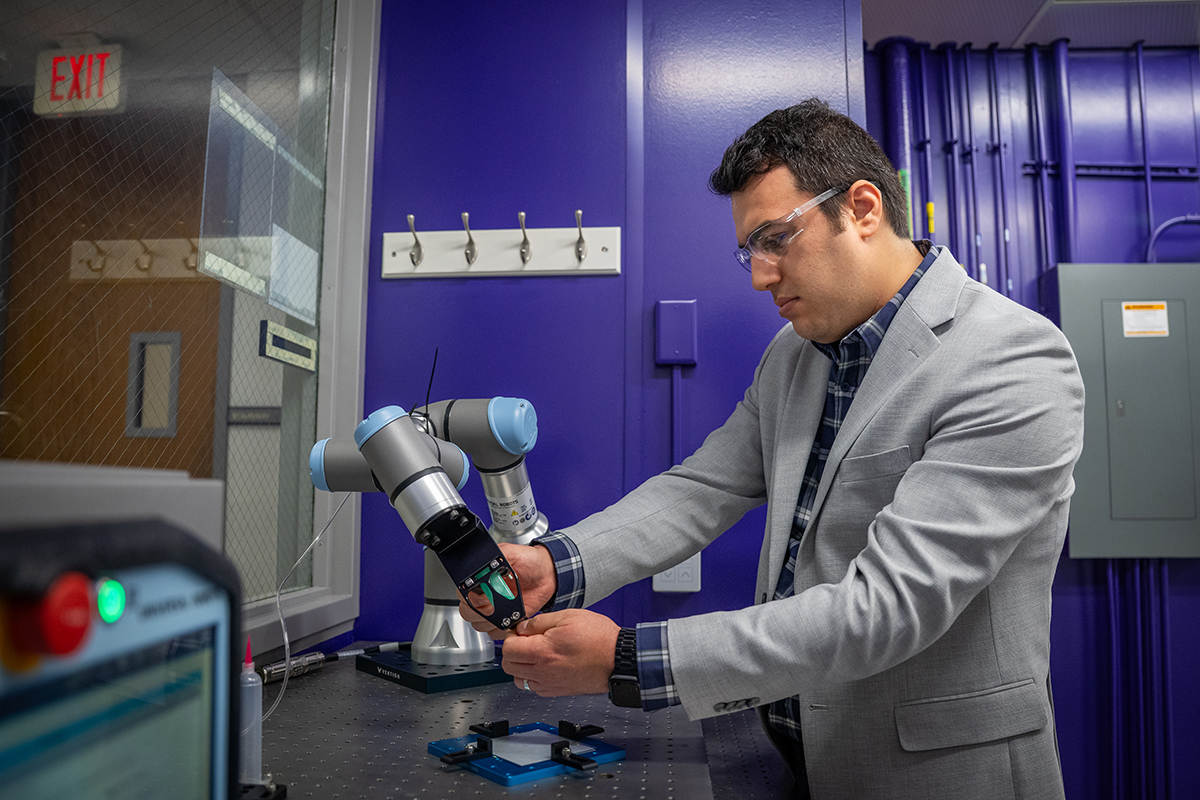
To break down these digital silos, Pourkargar is developing an adaptable, privacy-preserving computational framework. By combining advanced machine learning methods with multi-agent control systems, the project enables separate facilities to train shared predictive models and coordinate operations autonomously without transferring raw proprietary data.
Making chemical and energy manufacturing 'efficient, resilient and autonomous'
The project addresses three critical hurdles in modern chemical and energy networks: software incompatibility, multi-time-scale adaptability and vulnerable digital communications.
"Our goal is to equip complex chemical and energy systems with the digital intelligence to learn, coordinate and adapt securely in real time, helping make manufacturing more efficient, resilient and autonomous," Pourkargar said.
Integrated blockchain layers ensure tamper-proof data synchronization, and AI transformer models act as digital watchdogs to detect cyberattacks and reconstruct corrupted signals in real time.
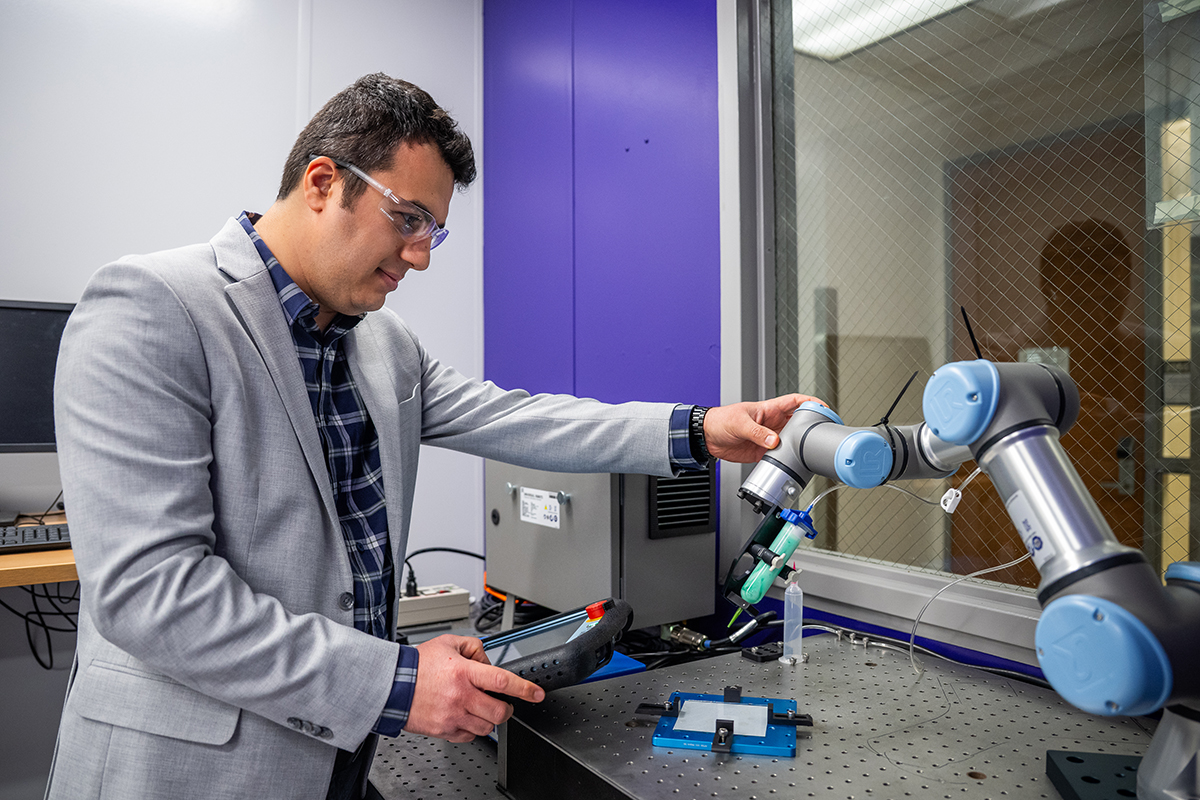
"If a cyberattack corrupts a critical sensor or a sudden disruption affects energy or raw-material supplies, the system could identify the problem, reconstruct trustworthy information and coordinate a safe response before the disruption spreads throughout the plant," Pourkargar said.
In the near term, these tools will provide chemical producers with enhanced cybersecurity and real-time decision support. Over the long term, the technology paves the way for fully autonomous, integrated polygeneration networks that dynamically balance energy efficiency, emissions and supply chain disruptions.
By strengthening U.S. manufacturing competitiveness and energy security, the project also invests directly in the future engineering workforce through hands-on student design projects and educational outreach programs.