K-State Libraries builds research computing skills through Carpentries partnership
Joint workshop with KU gives genomics researchers hands-on training in coding, data management and computational research
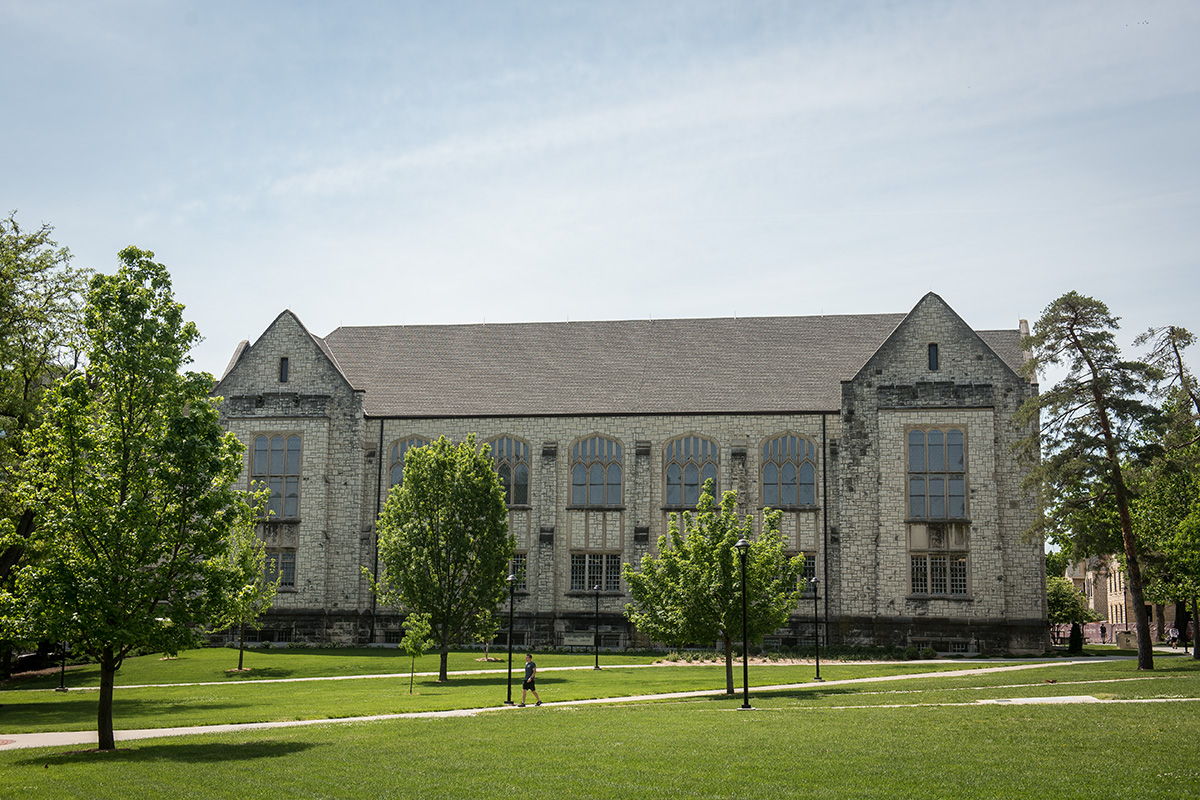
In August, Kansas State University Libraries partnered with librarians Jamene Brooks and E Durham of the University of Kansas to host a joint educational workshop for incoming genomics researchers. The event was organized by K-State librarians Gwendolyn Sibley, Kendra Spahr and Carol Sevin, with support from Teresa Shippy and William Tank. The workshop curriculum was supported by The Carpentries, an international organization dedicated to teaching foundational coding, data science and research computing skills.
The workshop reached full capacity at both K-State and KU. While instructors were based on the KU campus, participants attended from both universities, gaining hands-on experience in essential research computing skills. Training topics included project file management, command-line programming and strategies for processing and analyzing large datasets.
The workshop aimed to equip researchers with practical tools for managing and analyzing increasingly complex genomic data, while supporting more efficient and reproducible research practices.
Building skills through The Carpentries
Teresa Shippy, a bioinformatics specialist at K-State, first became involved with The Carpentries as a workshop helper early in her career. She later became an instructor after the Great Plains Network, or GPN, sponsored her instructor training.
“The instructor training was different from anything I had experienced before, because it focused much more on teaching methods than on the content of lessons,” Shippy said. “That was actually very helpful, because although I had been teaching in various capacities for many years, I had never actually received formal teaching instruction.”
Through her involvement with The Carpentries, Shippy also connected with a regional network of instructors.
“Teaching a subject is the best way to learn it deeply. You can also become part of a wonderful community at K-State and other universities that are passionate about teaching coding skills,” she said.
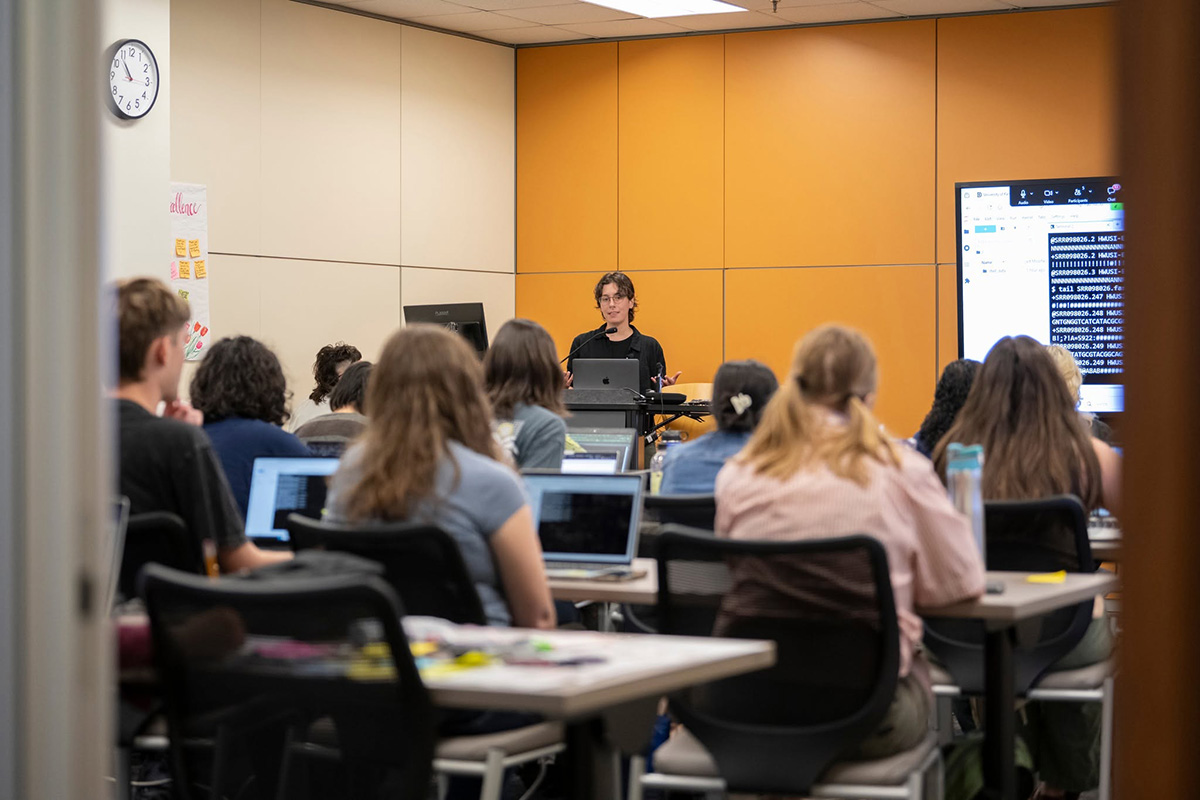
William Tank, a recent Ph.D. graduate, became involved with The Carpentries as a student helper after being introduced to the program by a colleague who was already a Carpentries instructor.
“Observing where people have difficulties and helping them troubleshoot it directly while maintaining pace with the instructor is extremely rewarding,” Tank said. “My teaching and troubleshooting skills have improved dramatically.”
The Great Plains Network supports K-State's participation in The Carpentries through funding for instructor training. Mickey Slimp, executive director of the Great Plains Network, highlighted K-State's role in the initiative.
“K-State is a lead partner for GPN's Carpentries Initiative,” Slimp said. “The K-State team has a model that all universities can look up to.”
Growing a community of research computing expertise
The work continues through the K-State Carpentries Collective, a growing group of faculty, staff and students who support and promote Carpentries training opportunities across campus. Members help organize workshops, serve as helpers during training sessions and contribute to a community of practice around coding, data management and computational research skills.
The Carpentries Collective is open to individuals of all experience levels, with opportunities to become involved as workshop helpers or pursue training to become certified Carpentries instructors. Anyone interested in joining the Collective can contact Kendra Spahr at kspahr@k-state.edu to get involved.
K-State Libraries also offers Carpentries workshops to the campus community upon request. Faculty, staff and research groups interested in hosting a workshop can contact Gwendolyn Sibley, data librarian, at grsibley@k-state.edu.
— Submitted by Lexi Liby