Helping Wildcats be their best
Easy-to-use nutrition and fitness support for K-State students
By Morgan Greene
Division of Academic Success and Student Affairs
Monday, Sept. 28, 2026
At Kansas State University, health and well-being are integrated into everything that we do. Supporting students in their academic endeavors means facilitating their wellness at home, too. That’s why the university has invested in encouraging healthy, everyday lifestyle choices — from what students eat to how they move their bodies.
Part of that investment means recognizing that each student’s needs and goals are different. Healthy habits aren’t one-size-fits-all, so resources and support aren’t either. Whether it’s in the dining centers or at the Rec Center, students have a range of options to make dietary and exercise decisions a little easier.
Bringing balance to on-campus dining
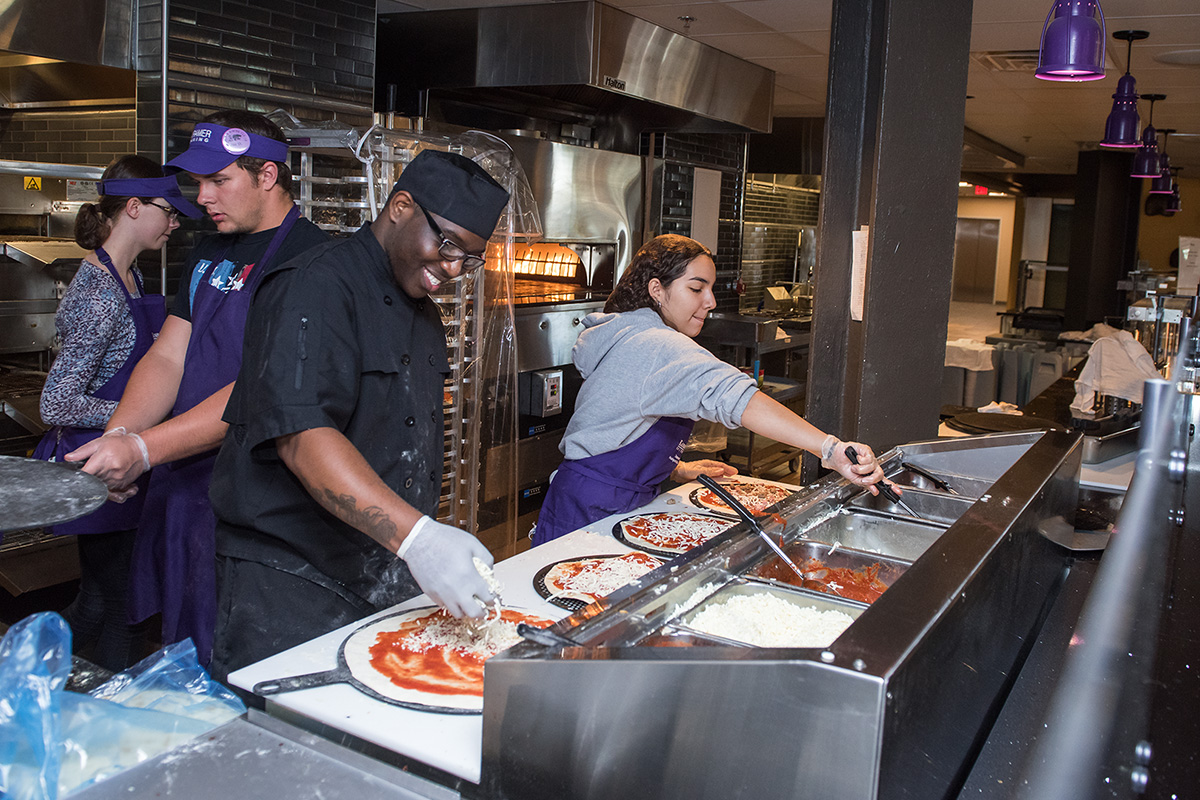
It’s no secret that K-State’s three recently renovated dining facilities are award-winning, thanks to their made-from-scratch meals offering a range of fresh items. It’s one of the features that sets K-State apart: on-campus meal options are among the best out there.
But finding an appropriate diet can be difficult, especially for students living on their own for the first time or with special dietary considerations. Housing and Dining Services has tools to make that easier.
All dining center menus are available online, with even more convenient on-the-go ordering in the newly reopened Van Zile Dining Center. That means students can explore meal options and view nutrition information before they arrive at the dining hall.
Registered and licensed dietitians are also based at both the Derby and Kramer Dining Centers. The team of five is tasked with supporting students who follow a modified diet for medical or religious purposes.
Ultimately, the goal of all these tools is for students to find appropriate and nourishing meals, no matter their dietary considerations. When choosing a well-rounded diet is easier, students can spend more time focusing on their academic goals.
And the support doesn’t end there. The importance of a balanced diet doesn’t stop when classes get busy, or when students feel under the weather — that’s when nutritious meals are even more critical. All dining facilities offer on-the-go meals for busy days and meals for sick students.
Making movement more approachable
Daily movement and exercise are a part of a well-rounded and healthy lifestyle. But it’s not always easy to fit in, build a plan or achieve fitness goals.
Recreational Service’s personal training program takes some of the legwork out of that process.
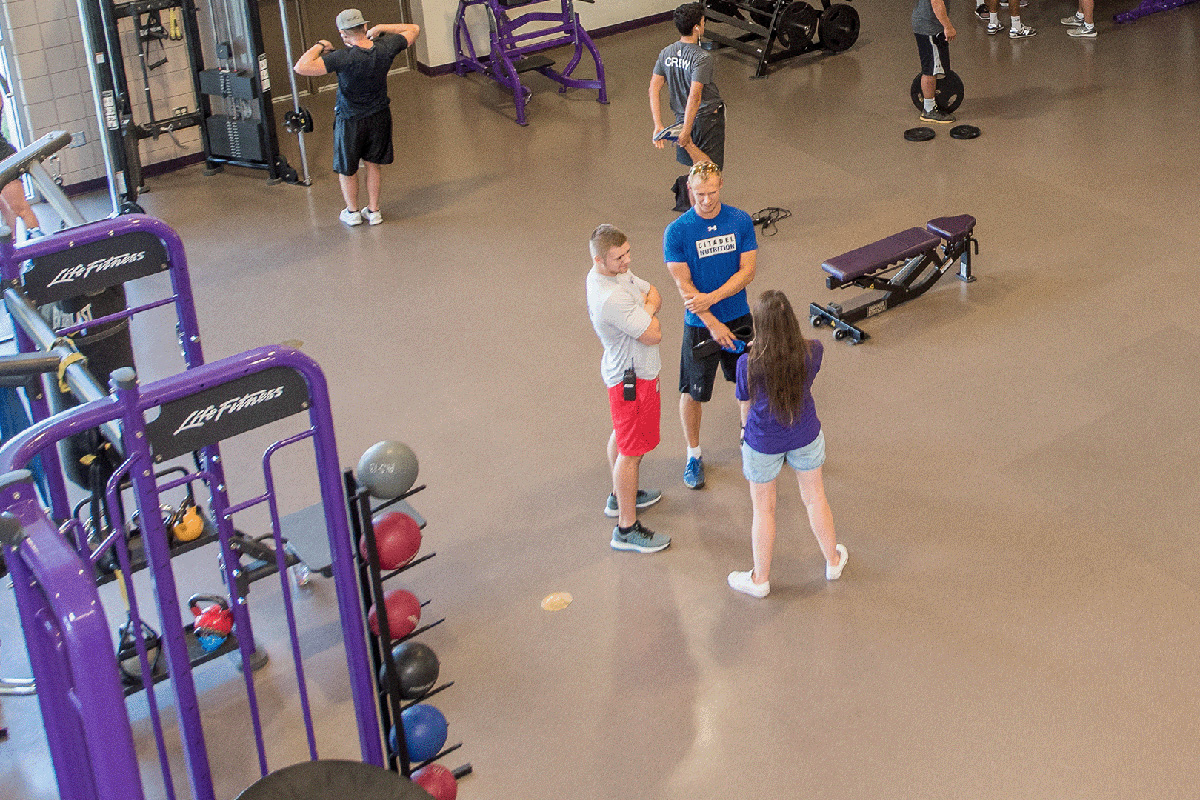
The team of nationally certified personal trainers works one-on-one with clients to design and guide them through one-hour workouts. The goals are multi-faceted: increased workout effectiveness, improved strength and technique and improved flexibility.
Perhaps most importantly, though, personal training can lead to more accountability and improved mental and personal well-being.
“Exercise is so important to our overall sense of well-being,” said Karly Cox, a personal trainer at the Rec Center. “When we’re moving our body, we’re not only strengthening our muscles, we’re also strengthening our brains. Exercise can help you learn better, sleep better, and feel less anxious.”
That’s especially important for students as they approach their academic goals. Studies have linked regular exercise to improved focus, memory, stress management and overall cognitive function, all of which support success in the classroom. One recent study of more than 2,200 college students found a positive relationship between physical activity and academic achievement. Other research has shown that students who participate in recreational sports and fitness activities tend to have higher GPAs and stronger retention rates than their less active peers.
The beauty of the personal training program is that it’s tailored for anyone, regardless of their current activity level.
“As a personal trainer, I work individually with each of my clients to understand their goals, no matter where they might be starting,” said Renn Deters, a Rec Center personal trainer. “Beginning can be the hardest part, and I’m here to make those first steps a little more approachable.”
Getting started doesn’t have to be hard
The first step is often the hardest, but it doesn’t have to be. Students who would like to make changes to their diet or physical activity levels can easily get started. By checking the dining center menus online, students have all dining center menus at their fingertips, so they can make informed choices about what their meal will look like.
Starting with personal training is just as easy: complete an application to get added to the waitlist. When a trainer is available, they’ll contact students to schedule an initial session and determine personalized goals.