People with Purpose: Mariah Welton-Crouser
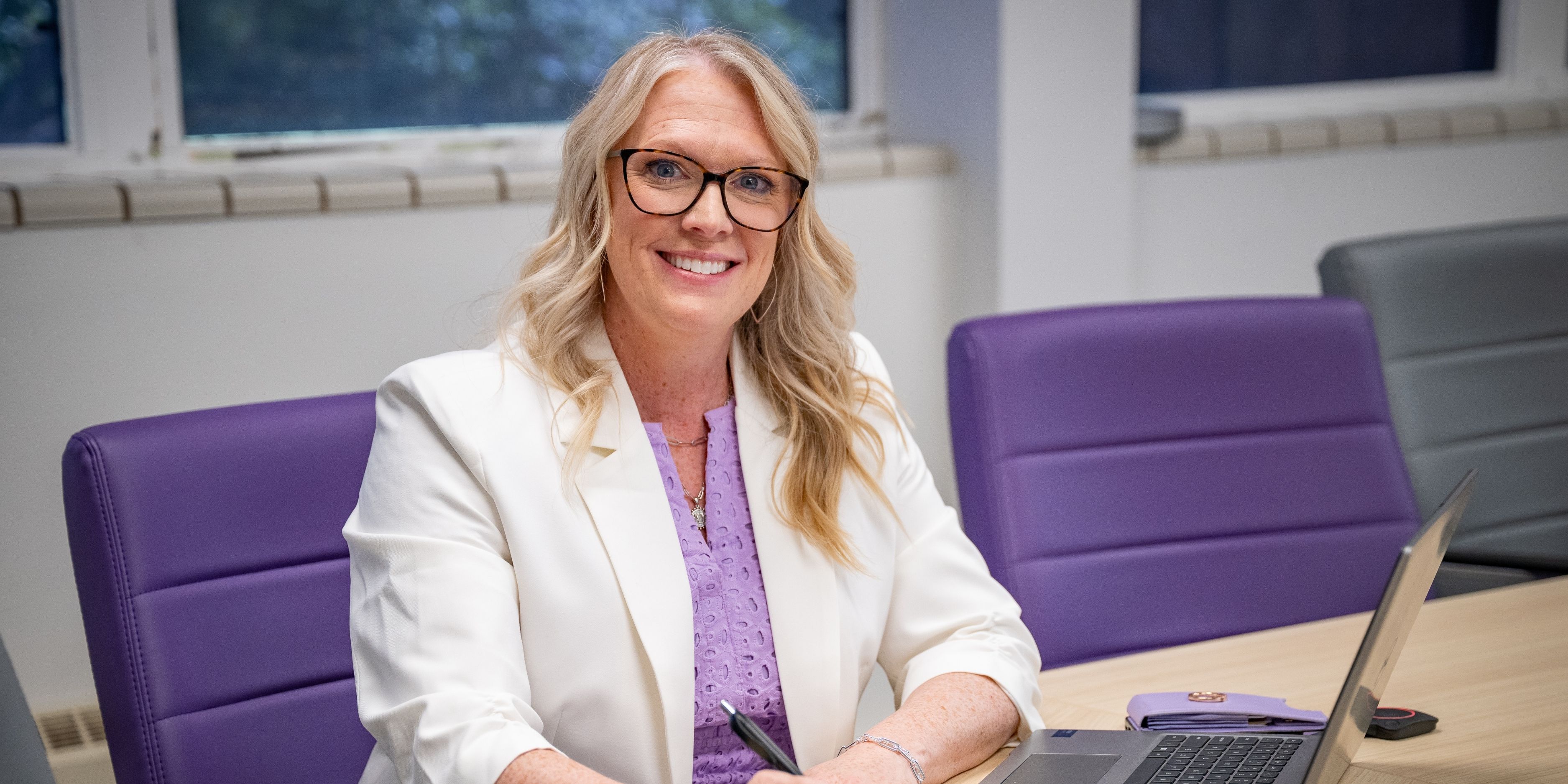
Mariah Welton-Crouser helps ensure compensation decisions reflect both data and people.
By Abbigail Marshall
News and Communications Services
Monday, June 29, 2026
While her work centers on numbers, Mariah Welton-Crouser is focused on people.
As a compensation analyst for K-State Human Resources, Welton-Crouser uses data to support fair and consistent pay practices and position the university as a competitive employer — finding her purpose in utilizing data-informed compensation approaches that help K-State thrive.
Q: What drives you to support K-State?
Welton-Crouser: K-State has shaped so many parts of my life — both as a student and employee. I earned both my bachelor's and master's degrees from K-State, but my connection to the community started much earlier. My father grew up in Manhattan, and while we moved often, we always returned to visit family, so many of my happiest childhood memories are tied to this community and the university.
While pursuing my master's degree in industrial and organizational psychology, my husband and I, along with our young children, lived in Kansas City. We would travel to Manhattan for two-week periods for the required on-campus summer sessions, and the experience reminded us how much we loved the energy, sense of community and purpose that K-State brings to Manhattan. After that, we spent years aiming to move to Manhattan permanently, and we did so in 2023.
Because K-State has deeply impacted my family, both personally and professionally, it means a lot to contribute to the university now through my work. While compensation work mostly happens behind the scenes, I know I'm supporting the employees and teams who make the student experience possible.
Q: Besides a degree, what is one thing every K-State student should take away from their time on campus?
Welton-Crouser: I hope every student leaves K-State with a sense of connection and belonging. For me, K-State became much more than a place to earn degrees — it became home. It was where I built lifelong friendships, met my husband and found a community grounded in kindness, hard work and genuine care for others.
As someone who moved frequently growing up, Manhattan was the first place that truly felt rooted and familiar to me. Years later, when I returned to K-State for my master's degree, that feeling of connection remained and ultimately inspired my family to make Manhattan our permanent home.
I also hope students leave understanding that success and career paths are not always linear. My own educational and professional journey evolved over time, and returning to K-State later in my career helped shape a completely new direction for my family and me. Sometimes the relationships, experiences and sense of community you gain along the way become just as meaningful as the degree itself.
Q: What is your leadership style, and how does that contribute to your success in your role?
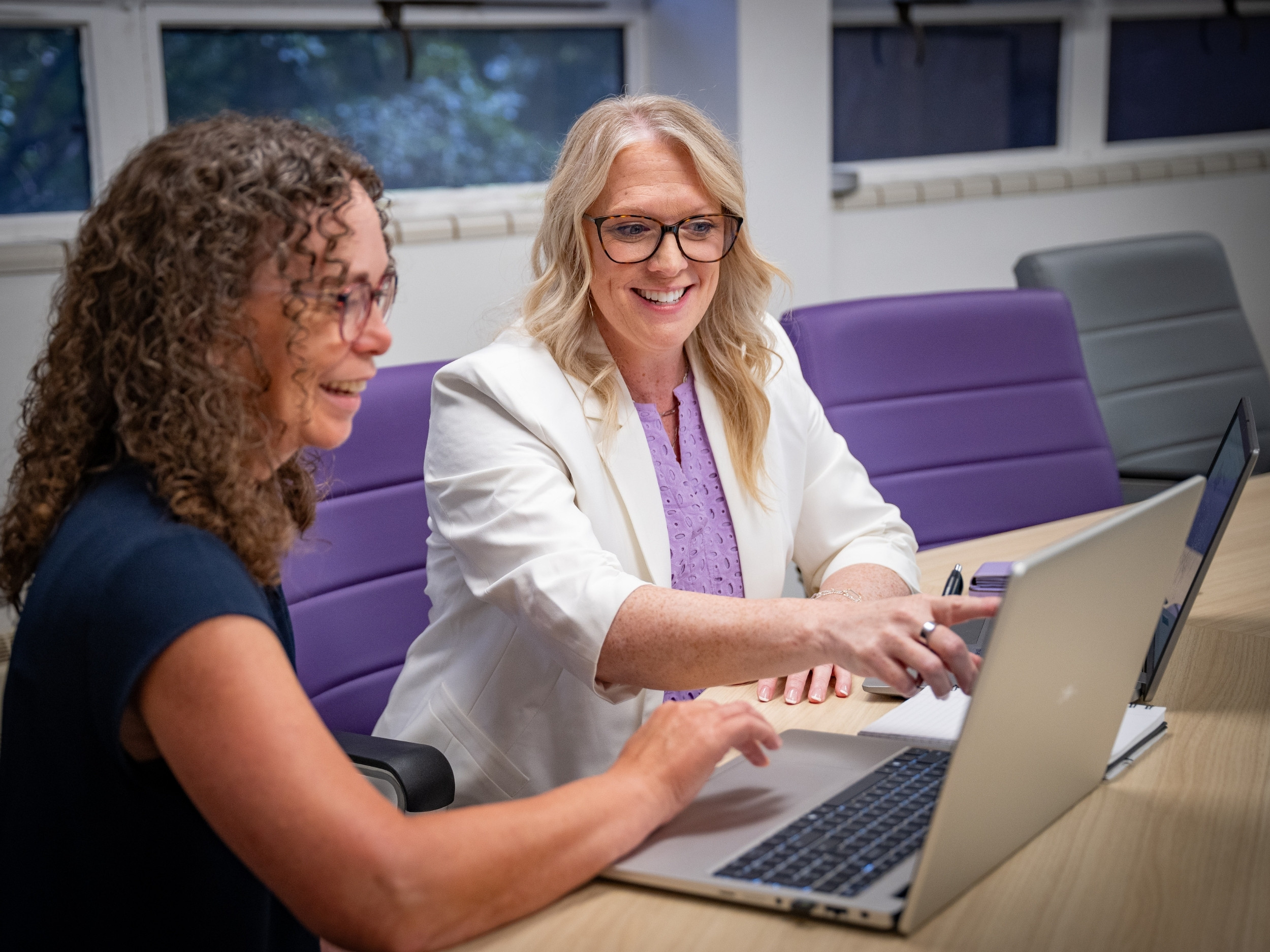
Welton-Crouser: My leadership style is grounded in collaboration, along with modest and thoughtful problem-solving. Although I don't directly supervise employees, I try to lead by being approachable, thorough and dependable in my work and interactions with others.
I believe it is important to listen carefully, approach situations with empathy and ensure people feel respected throughout the process. I also value transparency and consistency, especially when analyzing data and helping departments navigate decisions that impact employees and budgets.
I am also fortunate to work alongside an incredibly intelligent, hardworking and collaborative compensation team that genuinely respects and supports one another. That kind of environment makes a tremendous difference in both the quality of our work and the way we approach challenges together.
Q: What is one interaction that stayed with you long after the day ended?
Welton-Crouser: One interaction that has stayed with me involved working with a department that was navigating a complex structural change. Through data reviews, it became clear that the proposed changes could unintentionally create pay inconsistencies across roles and grades within the unit.
After carefully considering the department's goals, I proposed an alternative approach that would allow the unit to move forward with the changes they wanted to make while also maintaining fairness, consistency and equity across the team.
What stayed with me was how pleased the department was after seeing the full picture and realizing there was a path forward that balanced operational needs with employee equity. Moments like that remind me that compensation work is not just about numbers — it is about people, trust and helping organizations make thoughtful decisions.
Q: What is your favorite way to serve your profession and community? Why?
Welton-Crouser: One of the most meaningful ways I serve my profession and community is by helping make HR and compensation conversations feel more approachable, understandable and people-centered. Compensation work can be highly analytical and data-driven, but at its heart are people, their careers and their livelihoods.
What makes this work especially meaningful right now is the university’s broader focus on compensation study and career architecture development initiatives that support employee growth, career pathways and long-term organizational success. It is rewarding to contribute to work that helps support K-State's vision of being an employer of choice while also strengthening the employee experience across the university.
Related Stories
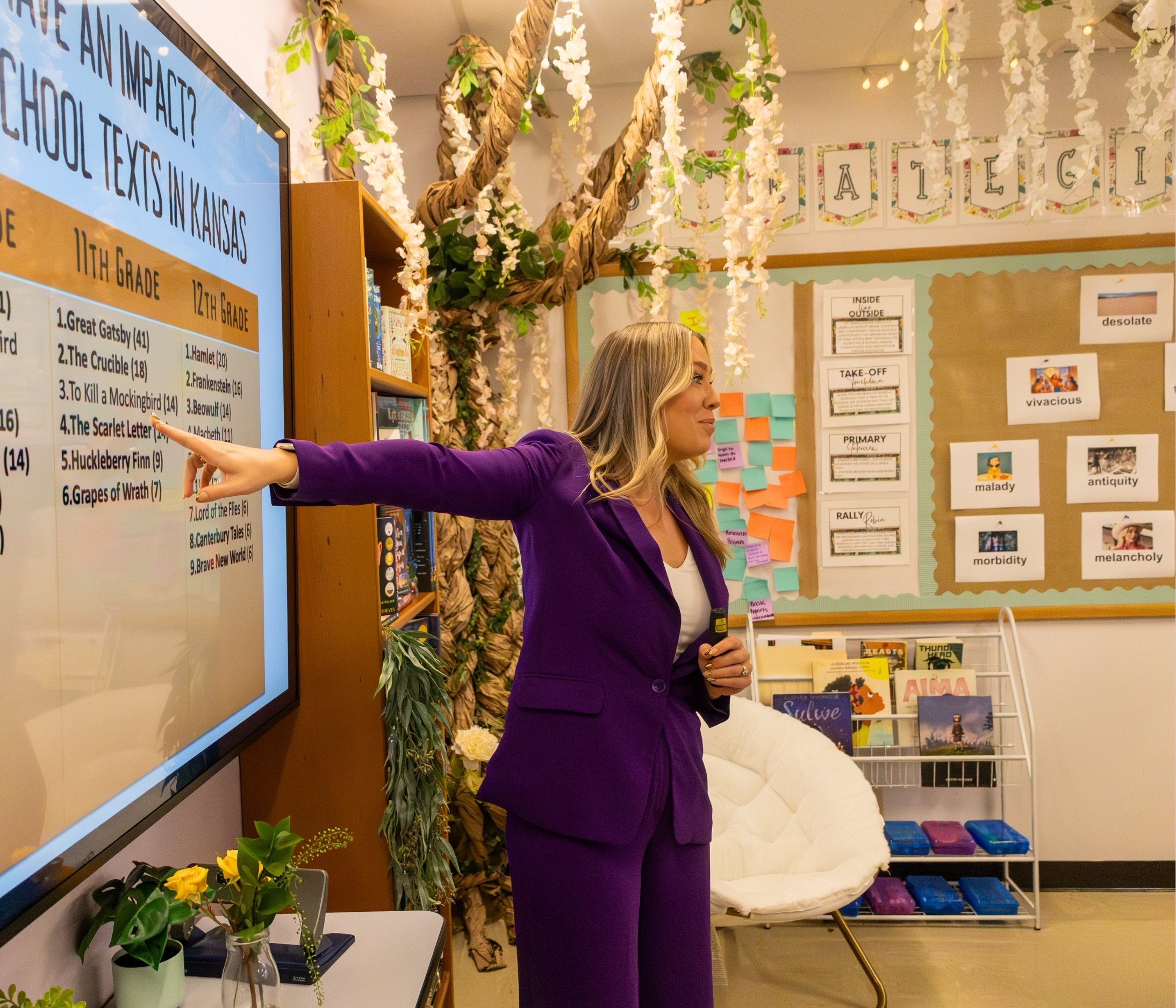
People with Purpose: Ambyr Rios
Through her work preparing secondary literacy educators, Ambyr Rios builds confident, effective classroom leaders who inspire a passion for learning.
People with Purpose: Libby Thorson-Kahl
Through her work with the Center for Advocacy, Response and Education, Libby Thorson-Kahl ensures student voices feel heard.
People with Purpose: Lonnie Hobbs Jr.
Lonnie Hobbs Jr., assistant professor of agricultural economics, is committed to creating a culture of community at K-State through personal and professional...