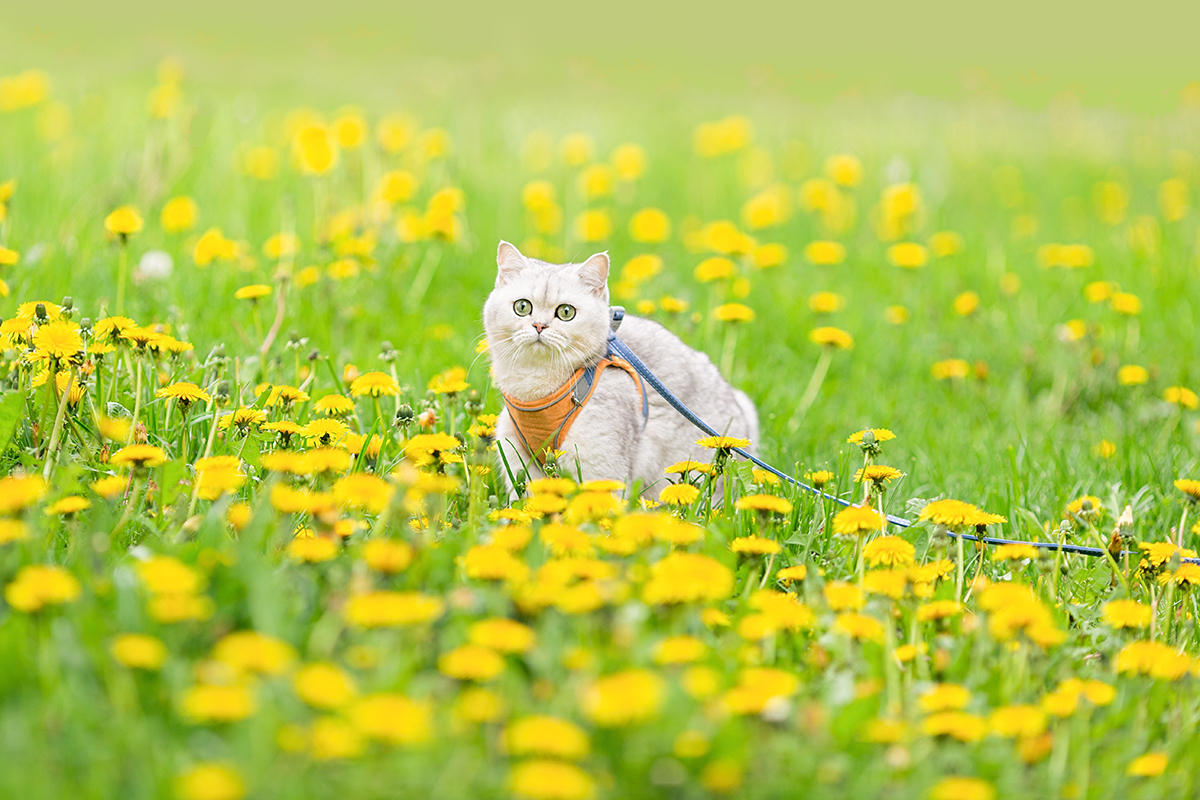
K-State veterinarian shares springtime pet safety reminders

By Rylee Coy
College of Veterinary Medicine
Thursday, April 16, 2026
As spring settles in and outdoor time becomes more prevalent, people aren't the only ones adjusting to the season — pets are, too.
From backyard plants to everyday household items, warmer weather can introduce a range of hidden hazards that pet owners may not always recognize.
Susan Nelson, clinical professor and veterinarian at the Kansas State University Hill's Pet Health and Nutrition Center, advises pet owners to be aware of the hazards spring can bring and offers advice for making the most of the season with pets.
Hidden hazards in your home and yard
Spring gardening can introduce unexpected dangers to pets. Many common plants, including tulips, daffodils, azaleas and lilies, are toxic to pets.
Many pet owners are unaware that all parts of true lilies, including their drippy pollen, are toxic to cats and cause deadly kidney failure if ingested. A full list of potentially dangerous garden plants and bulbs can be found on the ASPCA website.
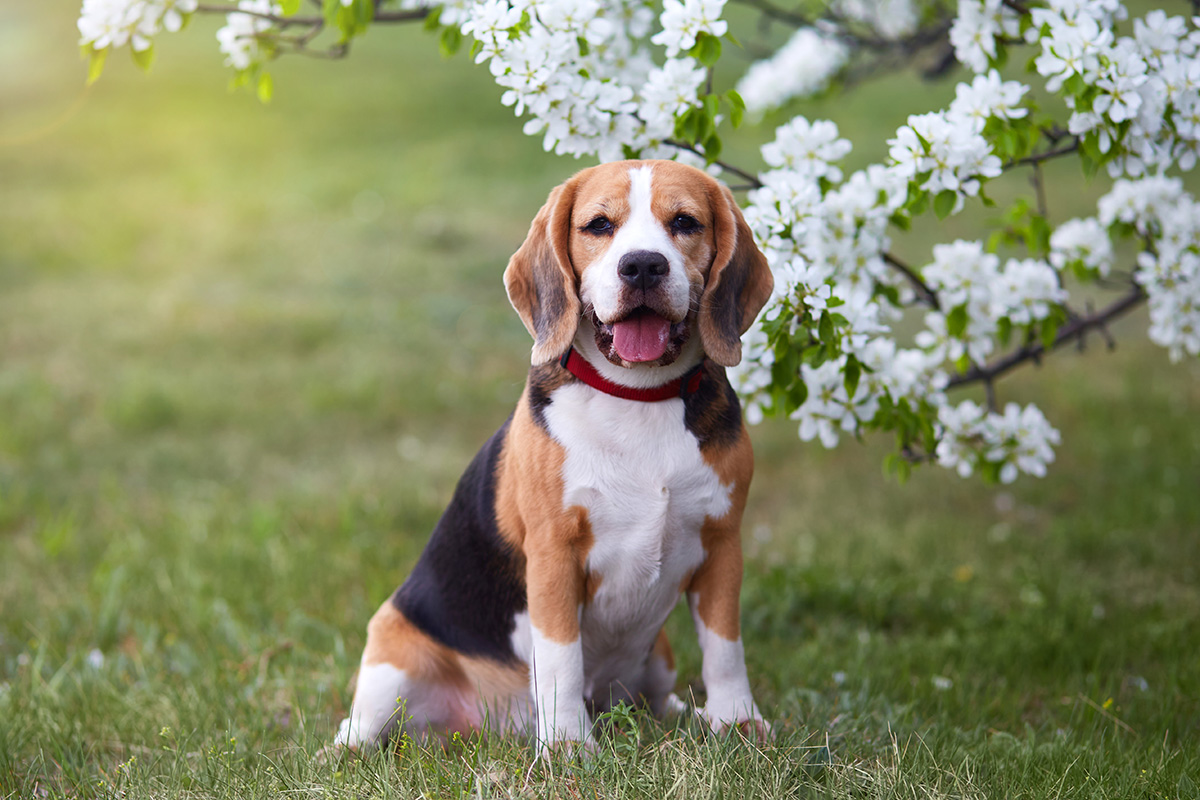
Plants don't pose the only yard risk to pets, though.
"Lawn care products like fertilizers, herbicides and insecticides should be kept out of reach, and pets should avoid treated areas for the recommended time," Nelson said. "Indoor cleaning products can be just as dangerous, and both dogs and cats can be exposed to chemicals by walking on wet surfaces or by coming into contact with accidental spills. Make sure to dry surfaces, ventilate rooms and secure cleaning solution containers before allowing pets back into the space."
Seasonal treats and decorations also pose risks. Chocolate and artificial sweeteners are harmful to pets, and small decorative items need to be kept out of reach to avoid choking and intestinal blockages.
If you suspect your pet has ingested something toxic, immediately call your veterinarian, the ASPCA Animal Poison Control Center at 888-426-4435, or the Pet Poison Helpline at 855-764-7661 for guidance.
Outdoor safety and seasonal health risks
More time spent outside comes with increased exposure to risks. Nelson recommends checking fences and window screens to be sure they're secure to prevent escapes. Pet owners should also keep ID tags and microchip information up to date.
Spring pests are also something to keep in mind when spending more time outside with pets.
"Spring marks the return of fleas, ticks and heartworms," Nelson said. "Preventative care is essential, and pet owners should consult their veterinarians to determine the best options. Insects like bees can also trigger reactions in pets, from minor irritation to serious allergic responses requiring immediate veterinary care."
Seasonal allergies can also affect pets, causing symptoms ranging from mild congestion to severe skin irritation.
Nelson encourages pet owners to consult their veterinarians if pets need relief from allergy symptoms.
Activity, travel and water safety
As pets become more active in the spring, it is important to ease back into exercise gradually to prevent injury. Pet owners should be aware of rising temperatures and humidity levels, which can increase the risk of pets overheating.
Nelson said spring travel also requires some preparation to keep your pet safe.
"When traveling, pets should always be secured in a crate or seatbelt harness to avoid injury during sudden stops/turns and to keep them from going under the feet of the driver," Nelson said. "Allowing pets to ride unsecured or in the bed of a pickup truck can lead to serious injuries, and in many areas, it is also illegal. Additionally, flying debris/insects can cause injury to their eyes and ears if their heads are allowed to stick out the window."
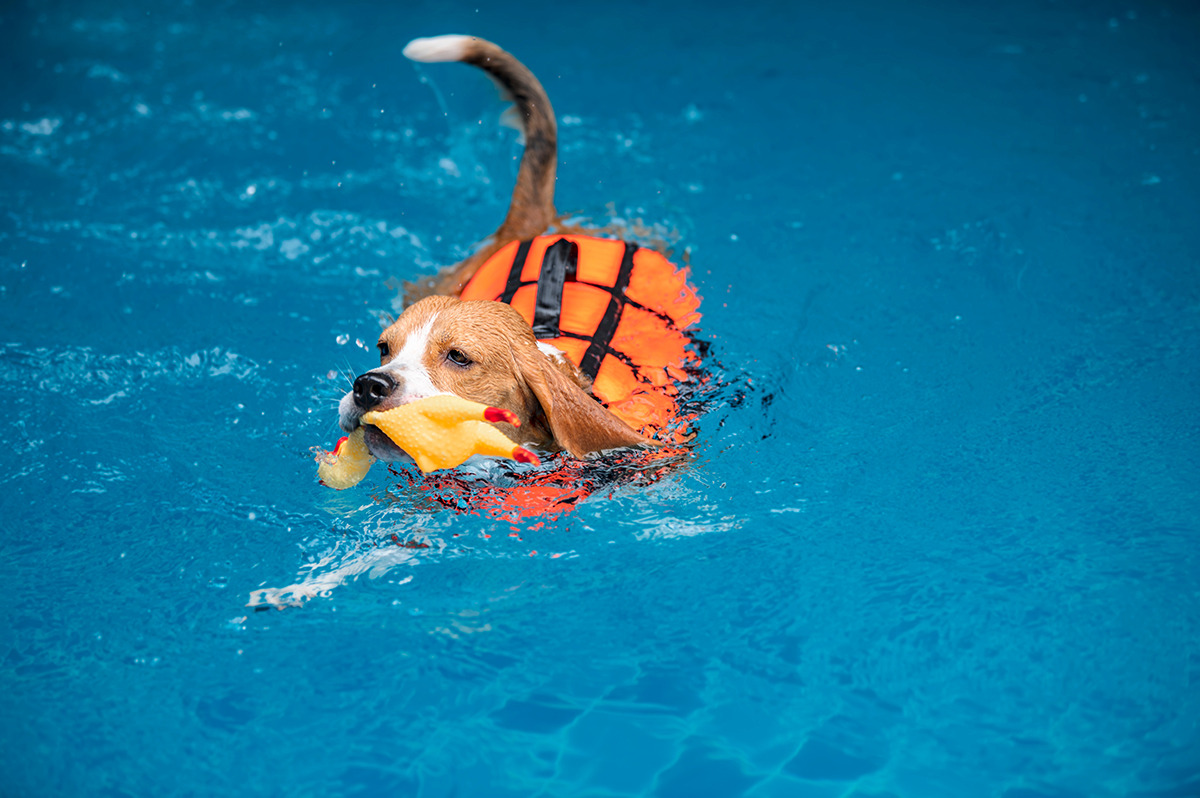
If spending time near water, Nelson said pets should wear life jackets and be supervised at all times. Pools should have safe exit points and secure fencing around them, as pool drownings are unfortunately common for pets. Boat outings require extra precautions, even for strong swimmers.
Spring storms can also cause anxiety for pets. Owners should consult their veterinarian if their pet shows signs of distress during thunderstorms and needs medication to ease their anxiety.
Simple steps for everyday safety
Nelson said small daily habits can make a big difference to pet safety.
Keep water bowls clean and full at all times, and refresh food regularly to avoid contamination from insects.
Regular grooming can help you spot fleas and ticks more easily, Nelson said. It also makes it harder for plant material and stickers to adhere to pet coats. Grooming can also introduce new safety considerations.
"If they are cut extremely short, be aware that their skin can get sunburned," Nelson said. "Wait for their hair to grow a bit before letting them stay outside for extended periods of time in the sun."
Following these tips from Nelson will help pets and owners alike enjoy the spring season.