Business beyond borders
Cross-Cultural International Program provides students with a global learning experience

By Ruthie Gergeni
College of Business Administration
Tuesday, Feb. 24, 2026
When Ross Latta boarded a plane for Indonesia, he expected an academic experience. What he found instead was a week that reshaped how he understands culture, collaboration, and the future of his career.
A May 2025 graduate in human resources management and now a human resource administrator for Dollar General, Latta traveled to Pontianak City, West Kalimantan, Indonesia, as part of the Cross-Cultural International Program, a partnership between the K-State College of Business and Universitas Tanjungpura, or UNTAN.
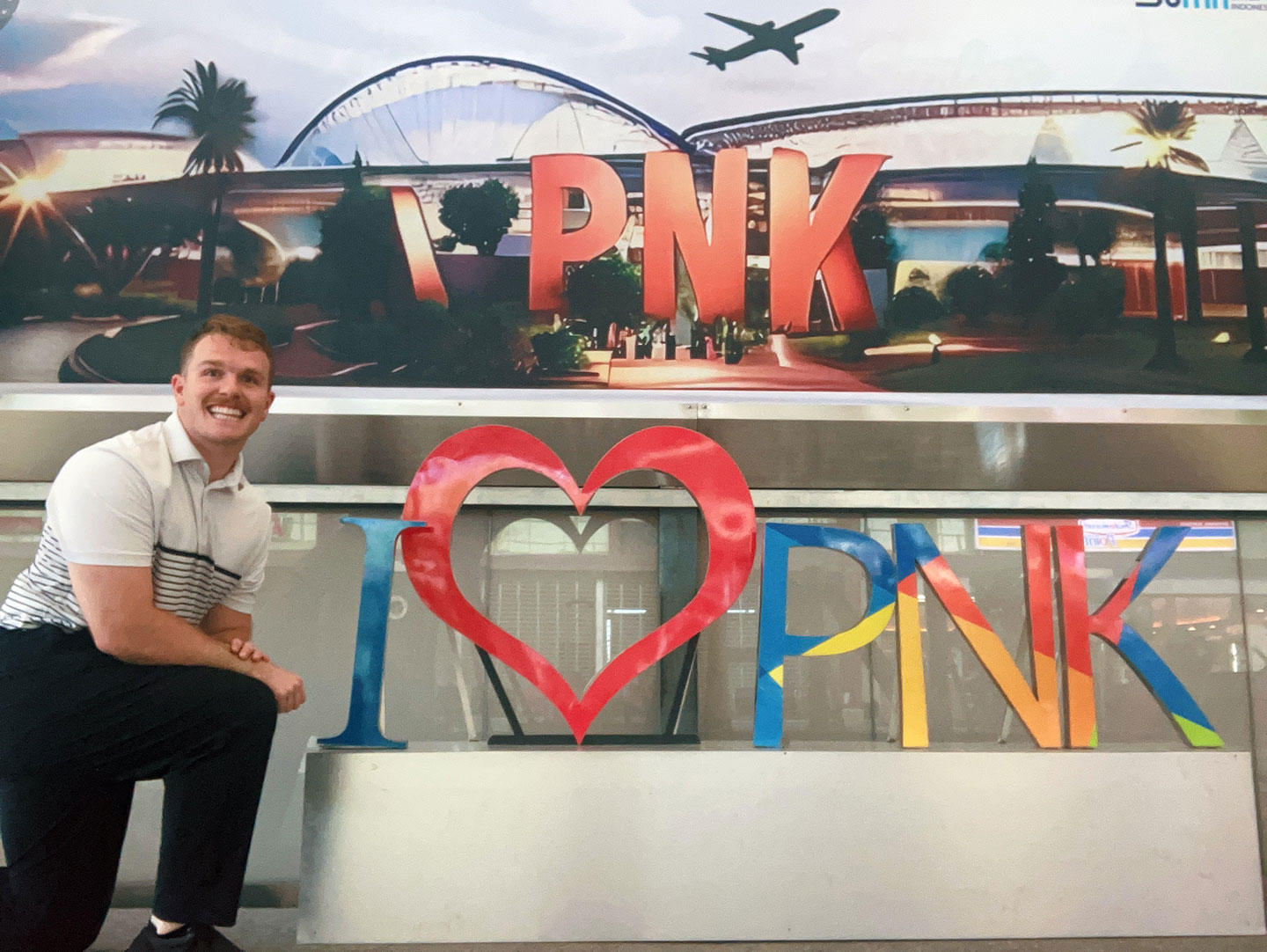
The program brought students from both universities together to explore global business concepts while immersing themselves in a culture far removed from what Latta had known.
From the moment he arrived, Pontianak felt different. Situated directly on the equator, the city moves to a rhythm shaped by climate, religion, and community. Moped-filled streets, river-centered daily life and the constant presence of faith marked a stark contrast to life in the United States.
“The climate was hot and humid, even more so than I had anticipated,” he shared. “Everyday life looked different too: many people bathed or washed clothes in the river, something I had never seen before. Traffic was another shock.
"What struck me most, though, was how religion shaped nearly every aspect of daily life," Latta continued. "Unlike the United States, where work tends to structure our lives, in Indonesia, the rhythms of the day are guided by prayer and religious practice.”
Learning to see business differently
Inside the classroom, the differences continued. Latta and his UNTAN counterparts compared academic structures and career expectations, quickly realizing how different the path from college to career can look across cultures. Indonesian students often focus entirely on coursework, without the internships or part-time jobs common among U.S. students.
“Their degree structure condenses the equivalent of multiple U.S. semesters into a single cycle,” he explained. “After graduation, they enter a very competitive job market, often without having had internships or work experience.”
Some of Latta’s most meaningful lessons came during group projects. Accustomed to jumping quickly into tasks and timelines, he initially struggled with UNTAN students’ slower, relationship-first approach. Over time, he came to understand that what felt like hesitation was actually intentional.
“At first, I found this frustrating, but eventually I realized that they were building trust and cohesion,” Ross said. “Once I leaned into that process, I noticed how much smoother collaboration became.”
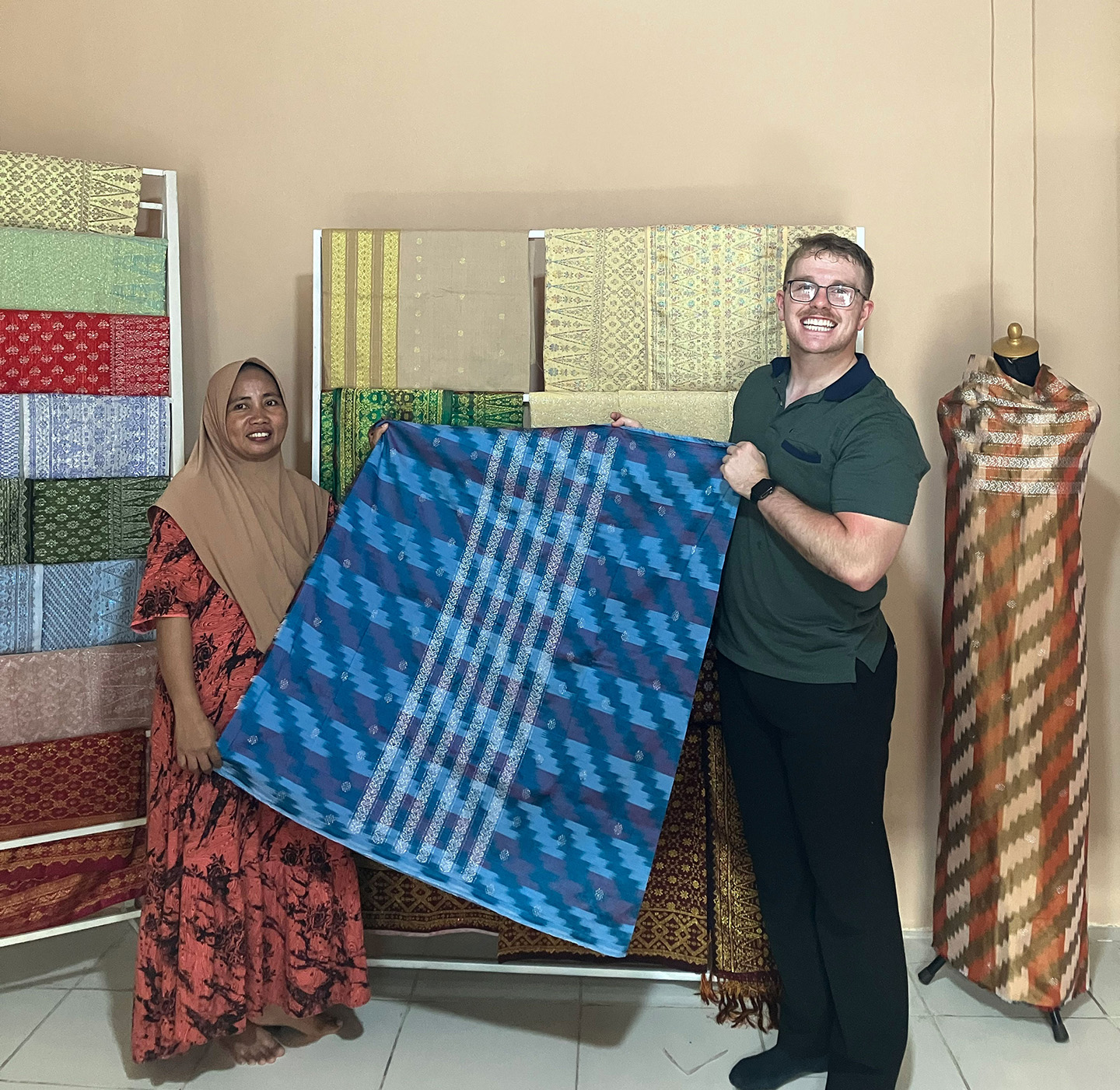
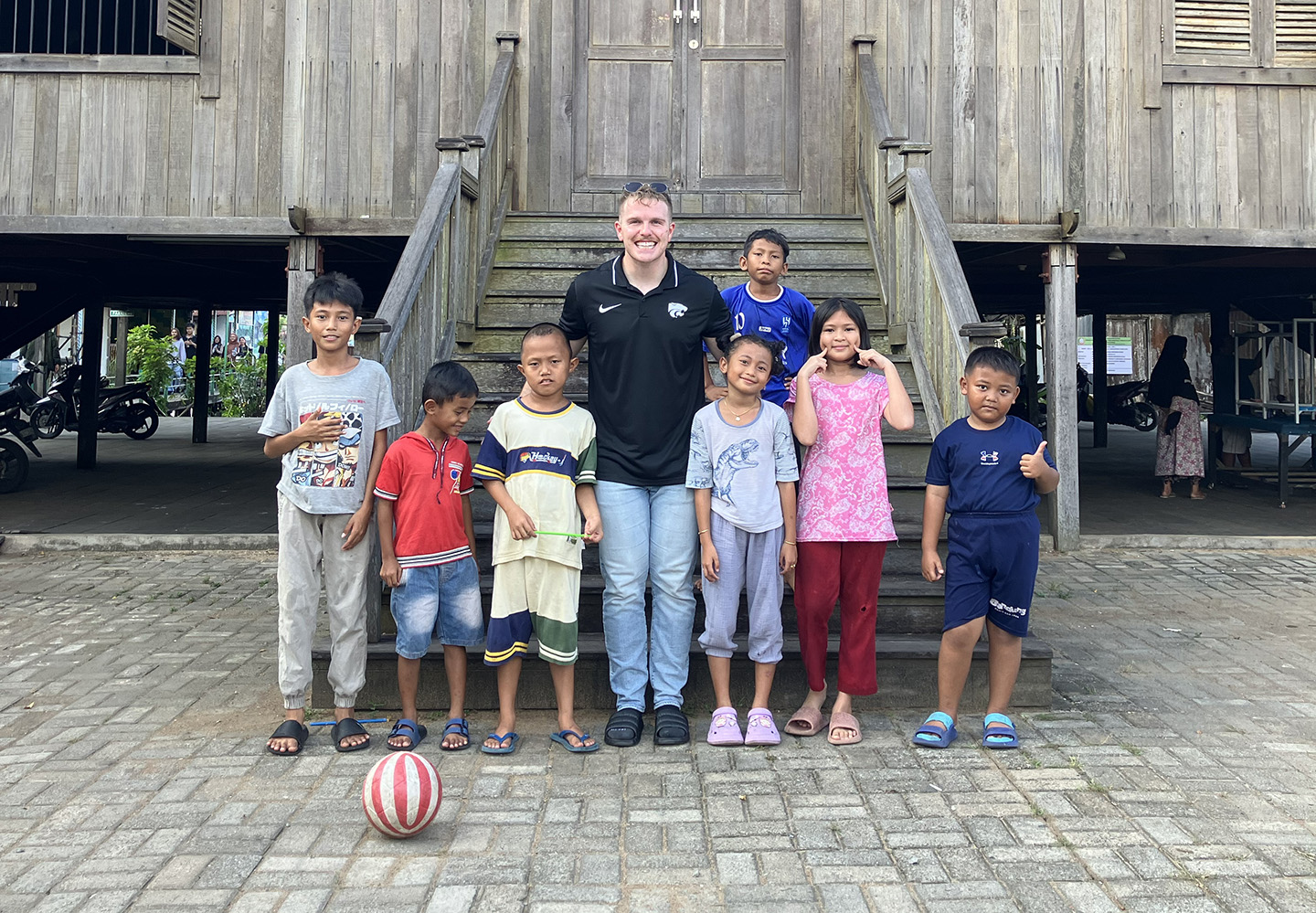
Beyond academics, Latta experienced Indonesia through its people, places, and food. He visited the Equator Monument, explored bustling markets, sampled street food along Gajamadah Street, and toured arts, textile and farm villages. In those villages, his blonde hair and blue eyes drew immediate attention, especially from children curious to meet someone from a place they had only heard about.
“They had never seen an American before,” he said. “They treated me like a celebrity. While it felt strange at first, I realized that my presence represented an opportunity for them to connect with someone from a world they might never visit themselves.”
Language added another layer of learning. While many UNTAN students spoke formal English, everyday conversation sometimes required patience and adjustment. Latta found himself slowing down, choosing simpler words and rephrasing ideas, small changes that made communication clearer and more meaningful.
The connections he built with UNTAN students became the heart of the experience. Long conversations, shared meals and cultural comparisons created friendships that extended beyond the classroom.
Some of those moments unfolded late into the evening along Gajamadah Street.
“Gajamadah Street, which we might compare to Aggieville in Manhattan, was a cool place where we spent time sharing street food and engaging in conversations that lingered long after the meal, fully experiencing the nightlife in Pontianak,” Ross reflected.
Bringing global insight home
By the end of the week, Latta returned home with more than memories.
The experience reshaped how he views global business, teamwork, and his future in human resources.
“For my future career in human resources, the lessons are clear,” he shared. “Supporting employees from diverse backgrounds requires cultural humility, patience, and the ability to adapt systems to fit people rather than the other way around.
"This trip reinforced the idea that business success is not one-size-fits-all. The U.S. approach may not be effective abroad, and vice versa," Latta continued. "To lead effectively, I will need to respect and integrate cultural differences into everyday practices.”
To learn more about the Cross-Cultural International Program, contact Stacey Lhuillier, management advanced instructor.
###
Related Stories
People with Purpose: Megan Ronnebaum
From welcoming high schoolers on campus to preparing K-State business majors for successful careers, Megan Ronnebaum connects students with opportunities that...
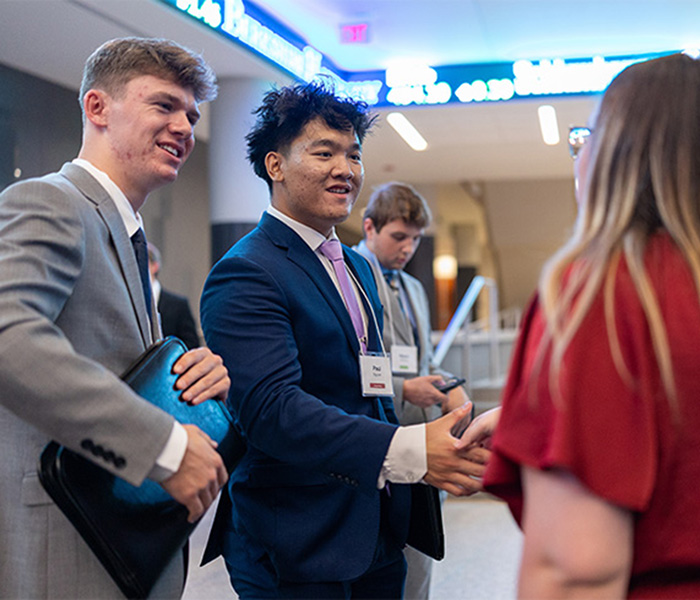
From DECA to the College of Business Administration: A full-circle K-State moment
The College of Business Administration will welcome high school students from across Kansas to the DECA State Conference, which prepares students to become...