Research
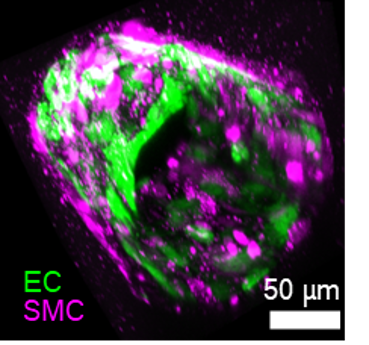
The Integrative Biosensing and Tissue Engineering Laboratory (IBTEL) at K-State decodes human diseases by advancing biosensing and tissue engineering technologies. Novel biosensors with high spatiotemporal resolution reveals the RNA dynamics in live cells (PNAS, 2023). Tissue-engineered models recapitulate human physiologically relevant systems in health and diseases, providing an accurate and high-throughput platform for investigating disease mechanisms and drug discovery. By integrating the cutting-edge technologies in biosensing and tissue-engineered human disease models, IBTEL provides crucial insights into the processes of cancer metastasis, Alzheimer's disease and aging. Our work empowers the early disease diagnosis and the development of new therapeutic treatments.
Single molecule nanobiosensor for monitoring RNA dynamics in live cells
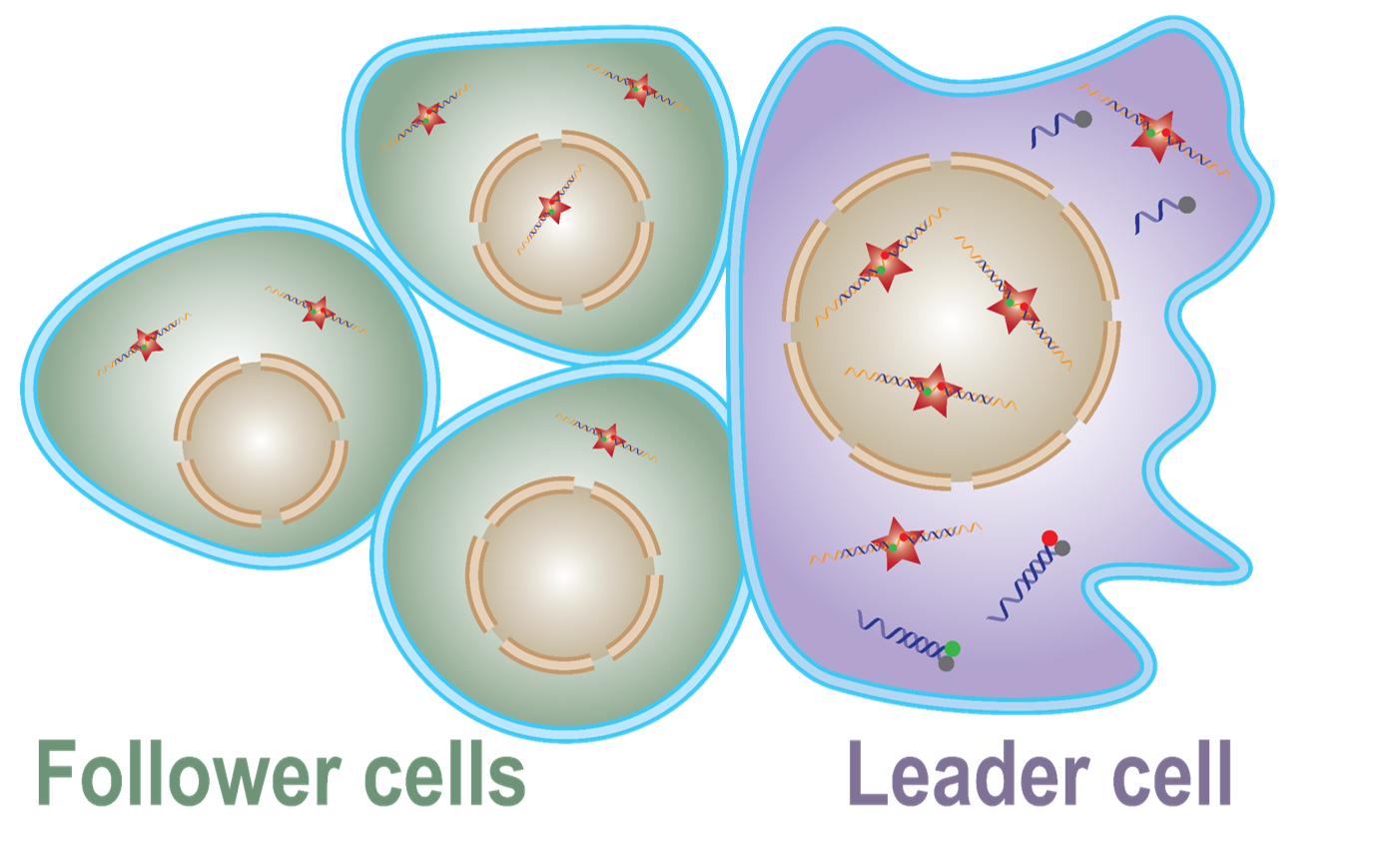
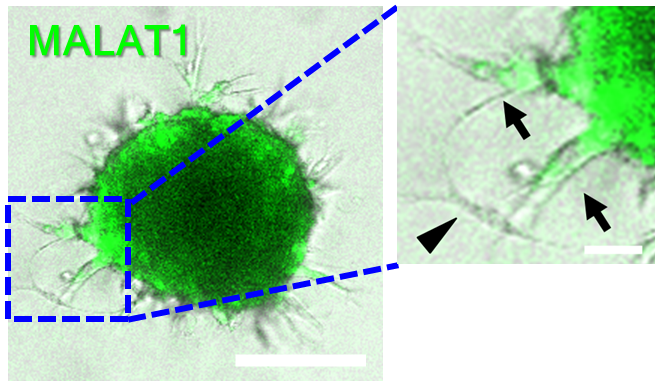
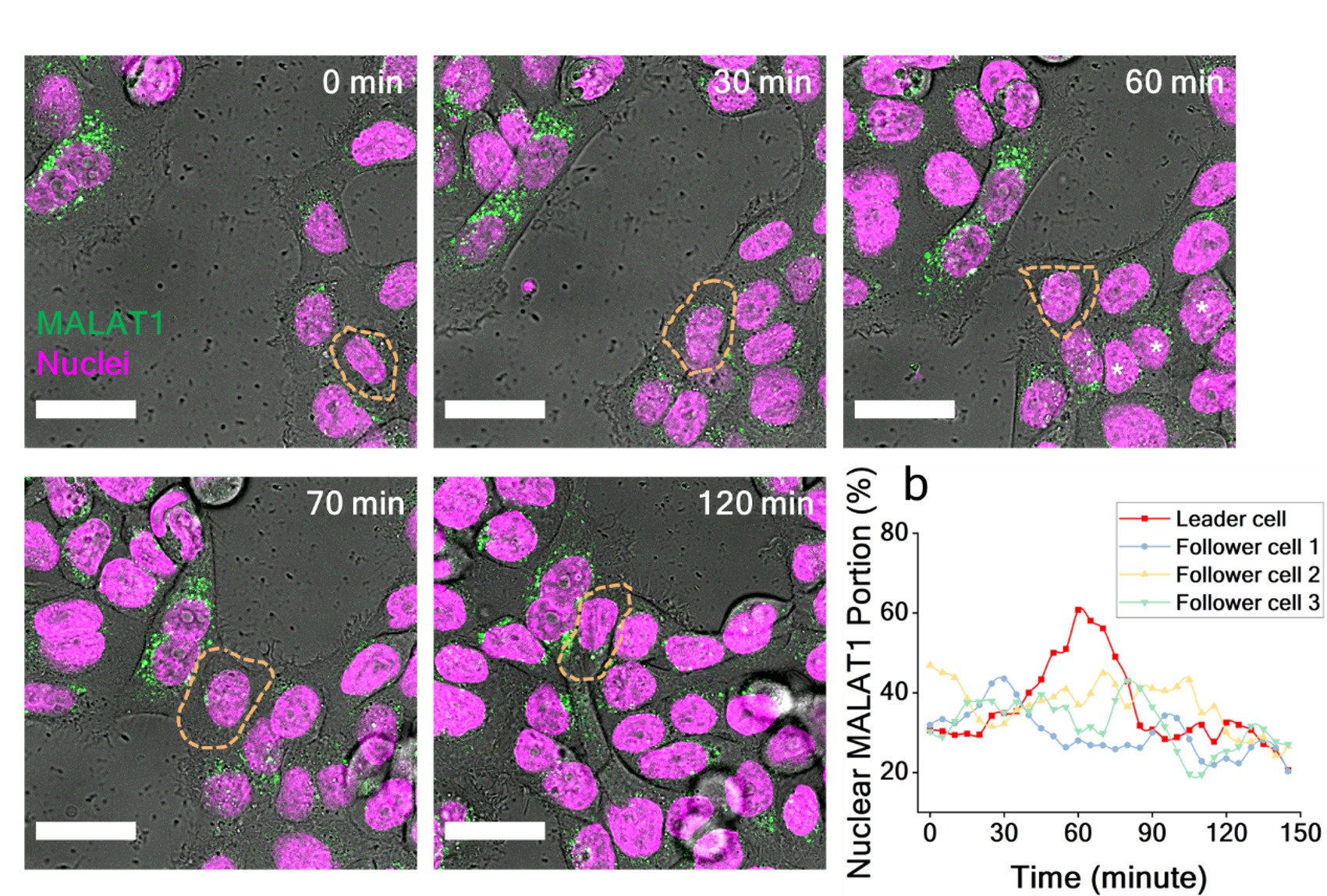
The FRET-based nanobiosensor reveals the spatiotemporal dynamics of RNAs in live single cells and is compatible with 2D migrating monolayers, 3D invasion models and patient derived samples. We have applied this nanobiosensor to demonstrate that lncRNA MALAT1 is dynamically regulated during collective cancer invasion. These findings could lead to the development of prognostic and therapeutic approaches targeting collective cancer invasion.
Tissue-engineered 3D microvasculature model
The tissue-engineered 3D microvessel model brings a unprecedented platform to investigate human microvasculature in health and diseases. It is a powerful tool to reveal the disease mechanisms, early diagnosis and drug discovery. We aim to develop tissue-engineered organ-on-chip model to recapitulate human physiologically relevant systems and provide crucial insights into the processes of cancer metastasis, Alzheimer's disease and aging.