KWI Water Scholars
The Kansas Water Institute welcomes a group of faculty hires who focus on water-related research. KWI Faculty Scholars support the institute’s mission to foster interdisciplinary approaches to teaching, research, and outreach. The KWI Faculty Water Scholars represent 11 departments across four colleges and Extension.
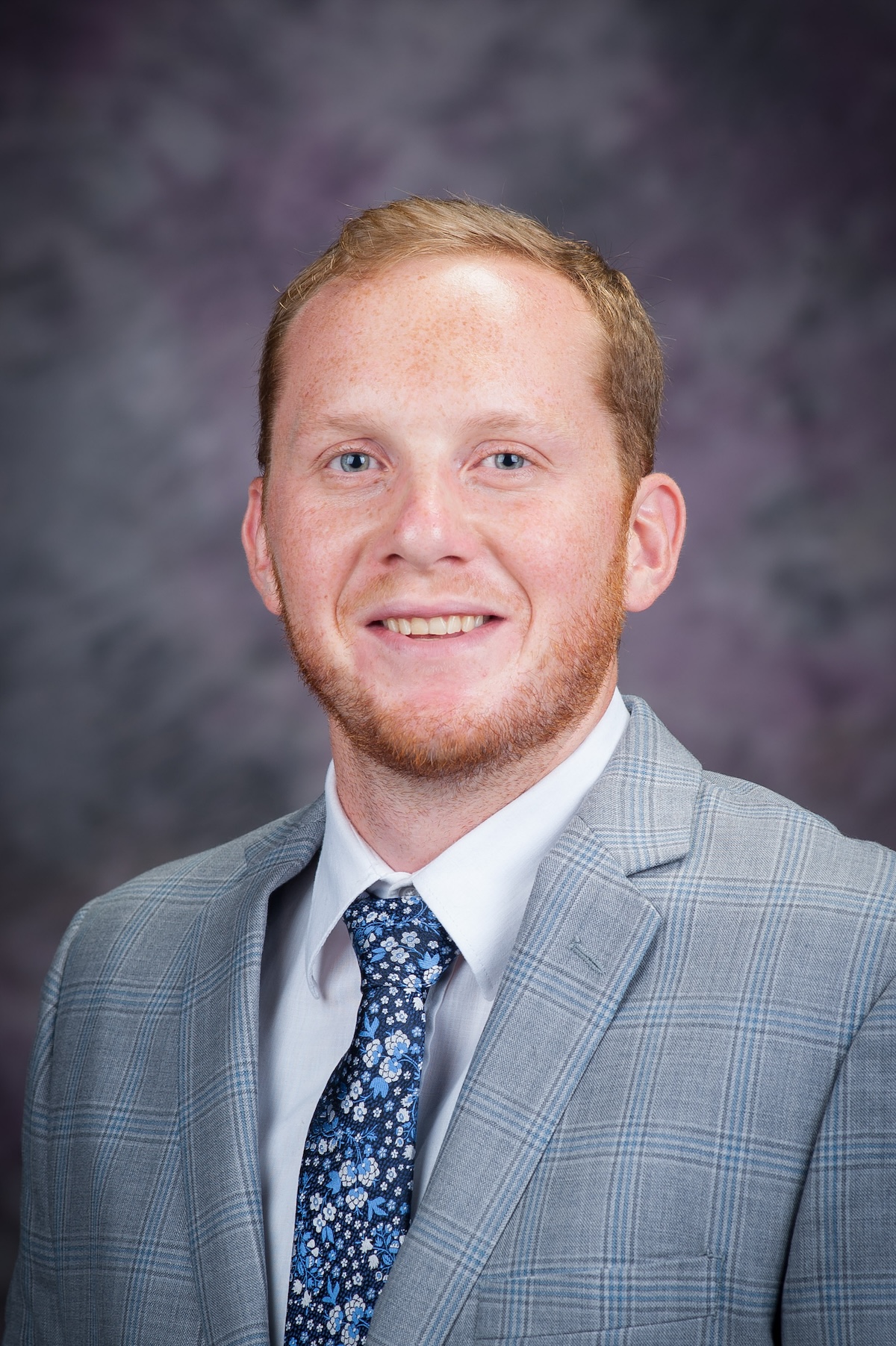 Micah Cameron-Harp
Agricultural Economics
Micah Cameron-Harp’s work explores how environmental data can inform crop production and water use decisions. He is developing models to predict grain yields using pre-planting soil moisture, with implications for early-season drought and flood impacts. His other research objectives examine irrigation timing using evapotranspiration data to improve water efficiency and how chemical contaminants in an aquifer can affect irrigation behavior, crop productivity, and municipal water security.
 Samir Castilla
Chemical Engineering
Samir Castilla’s research integrates heterogeneous catalysis, advanced oxidation processes, and reaction engineering to develop sustainable technologies for water treatment, resource recovery, and waste-to-value conversion pathways, with applications in agricultural, rural, and urban water systems. By combining materials synthesis, in-situ and ex-situ characterization, mechanistic investigations, and modeling, his work establishes fundamental structure-function relationships that govern catalytic and radical-mediated processes, enabling the development of scalable and impactful environmental solutions.
 Manisha Choudhary
Biological and Agricultural Engineering
Manisha Choudhary's research advances sustainable solutions for drinking water, wastewater, agricultural systems, and contaminated soils affected by emerging contaminants, including per- and polyfluoroalkyl substances (PFAS), microplastics, pesticides, pharmaceuticals and personal care products. By integrating nonthermal plasma and engineered adsorbent materials, she develops physical-chemical treatment technologies that minimize chemical additives, reduce harmful byproducts, and perform effectively in complex environmental systems where conventional approaches often fall short. Guided by the principles of One Water and the circular economy, her work seeks to enable water reuse, resource recovery, and resilient environmental systems that protect human health, agriculture, and ecosystems.
Barnali Das
Geography and Geospatial Science
Barnali Das's research focuses on studying connected systems using remote sensing, machine learning (ML), and artificial intelligence (AI) techniques. Her work emphasizes understanding the interactions among surface water, groundwater, wetlands (playas), and agricultural systems across Kansas. She has developed early warning models for water-scarce agricultural regions around the world and aims to apply this expertise to address water, ecosystem, and agricultural challenges in Kansas.
Rachel Keen
Biology
 Elizabeth Sorensen Montoya
Agricultural Economics
Elizabeth Montoya’s research focuses on the intersection of environmental and health economics. She analyzes regulatory effectiveness and the impact of market structure on health and environmental quality, with a focus on drinking water systems. Her work will prioritize issues relevant to Kansas, including agricultural water use, nitrate contamination, and rural infrastructure.
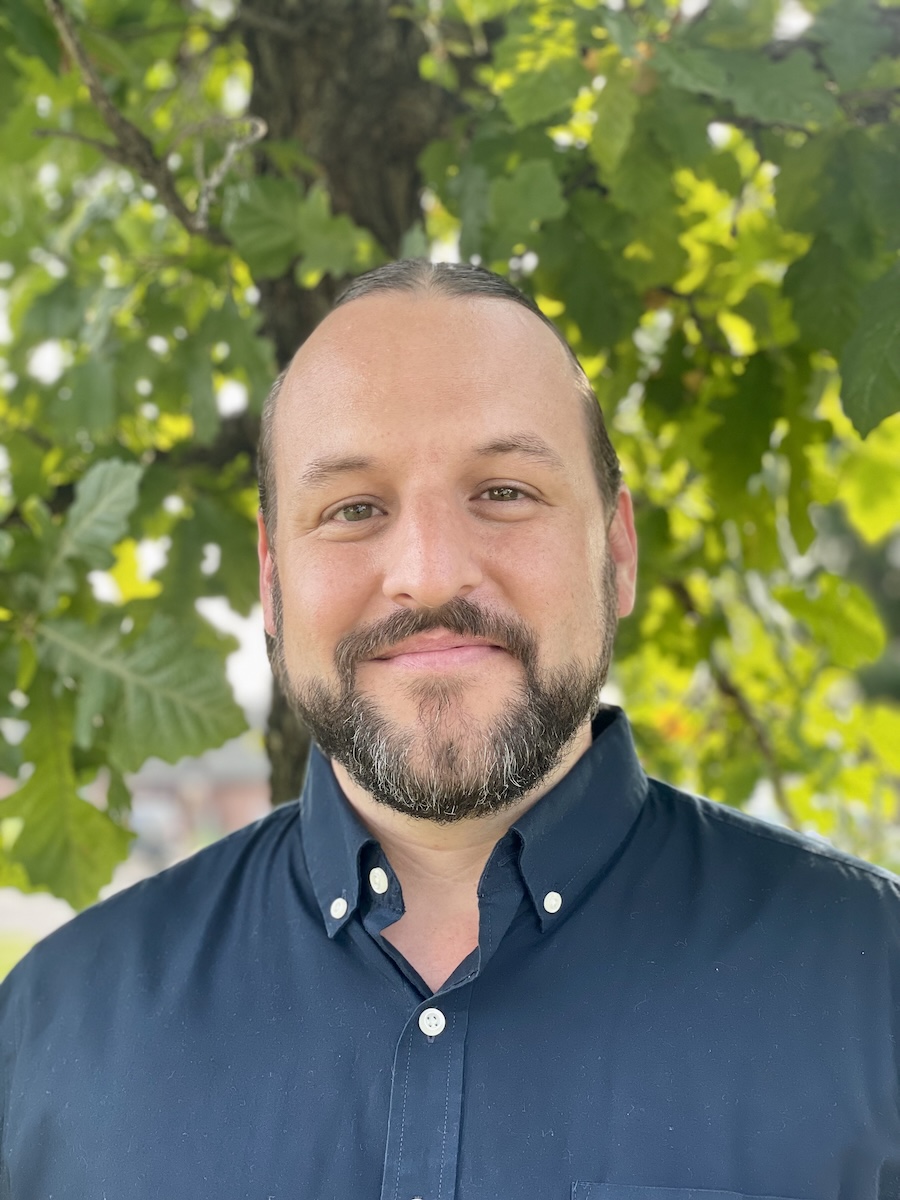 Christopher Morris
Rural Sociologist
Chris Morris is a rural sociologist whose applied research focuses on the social and systemic factors that influence adoption of conservation practices and how we can use programs, policies, and education to increase sustainability in the food and agriculture system. Focusing on water quality and quantity issues in rural Kansas, Chris uses qualitative, quantitative, and mixed methods to better understand these dynamics and engage with community stakeholders.
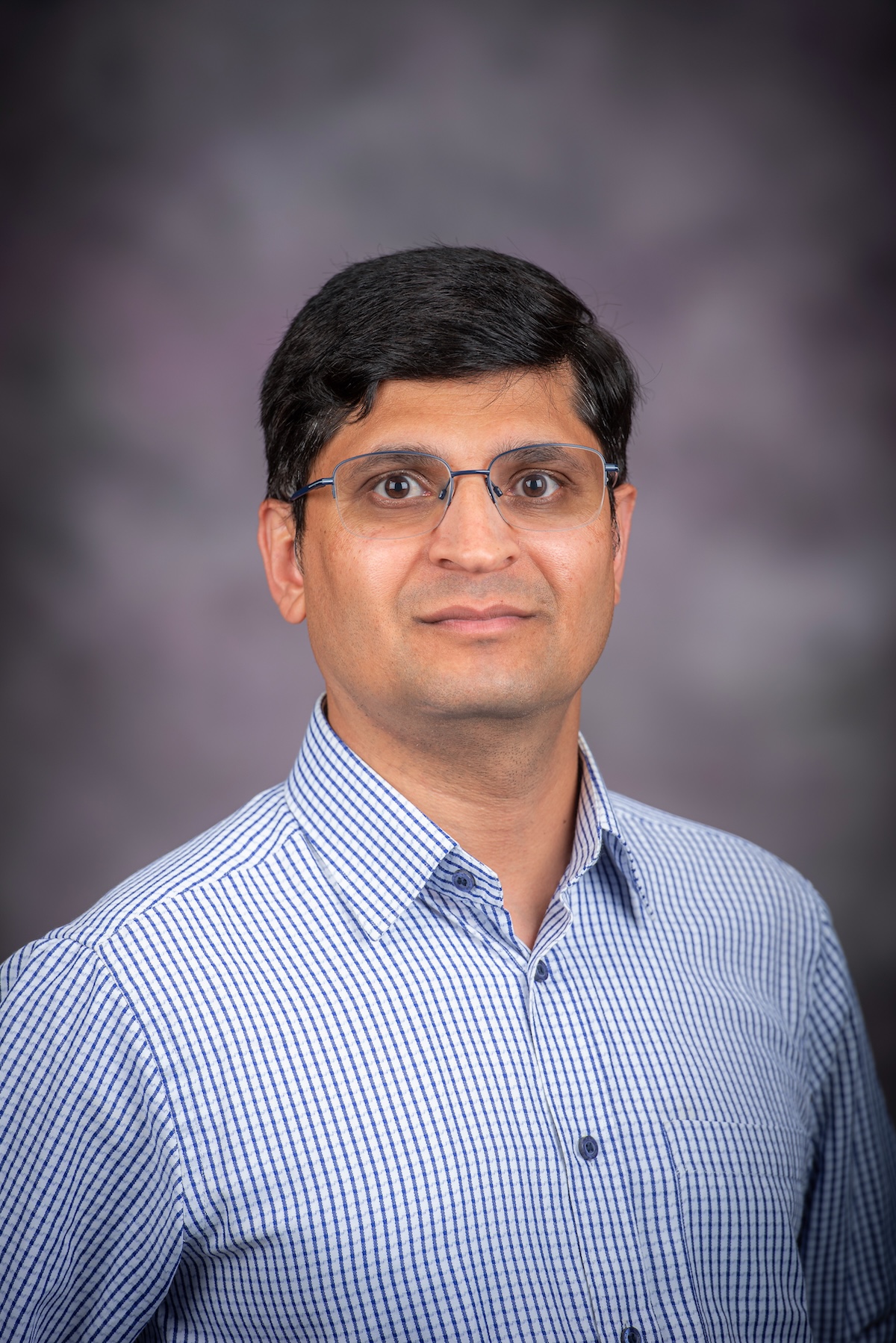 Jeeban Panthi
Geology
Jeeban Panthi is hydrologist interested in understanding the interactions between groundwater and surface water. His work takes a closer look at how these interactions are influenced by human dimensions, climate and land use changes. Dr. Panthi’s research aims to address critical questions in groundwater hydrology, both on water quantity and quality in the High Plains Aquifer.
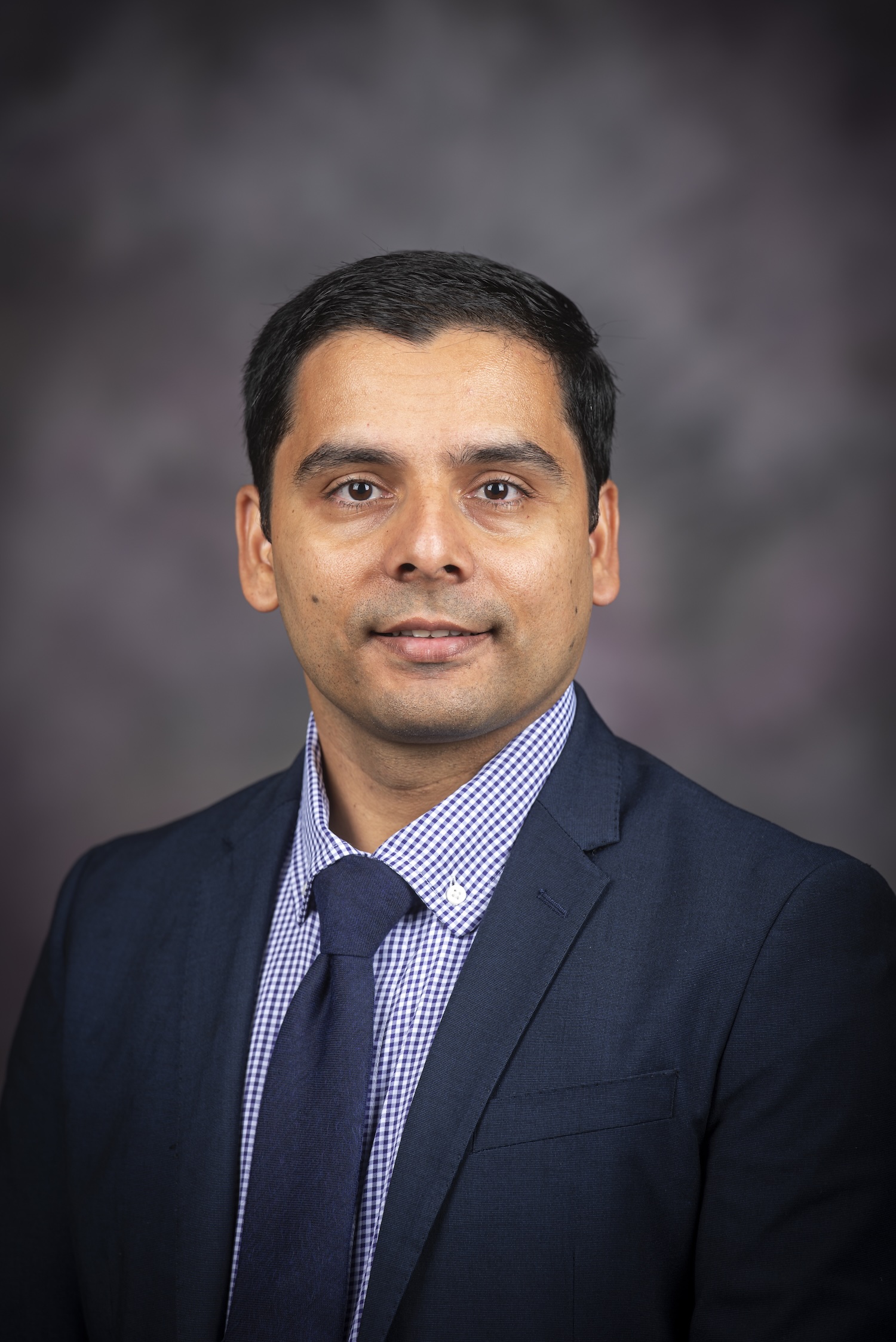
Pramod Pokhrel
Cropping Systems Agronomist
Pramod Pokhrel's research focuses on developing integrated cropping systems for semi-arid environments. His program spans dryland and limited-irrigation systems, with emphasis on improving water use efficiency, enhancing cropping system performance, and strengthening the sustainability and resilience of agricultural landscapes. He integrates field experimentation, precision agriculture, and environmental instrumentation to generate agronomic information that advances water conservation and supports informed management decisions by producers and stakeholders.
Lishan Su
Behavioral Science and Technology Adoption
Lishan Su is a behavioral researcher whose work integrates science communication, consumer behavior, and technology adoption to examine the human dimensions of sustainability, including stakeholders’ engagement with data-driven innovations for water quality and quantity conservation, as well as public learning related to healthier consumption behaviors. Through interdisciplinary collaborations, her research supports informed decision-making among water scientists and stakeholders.
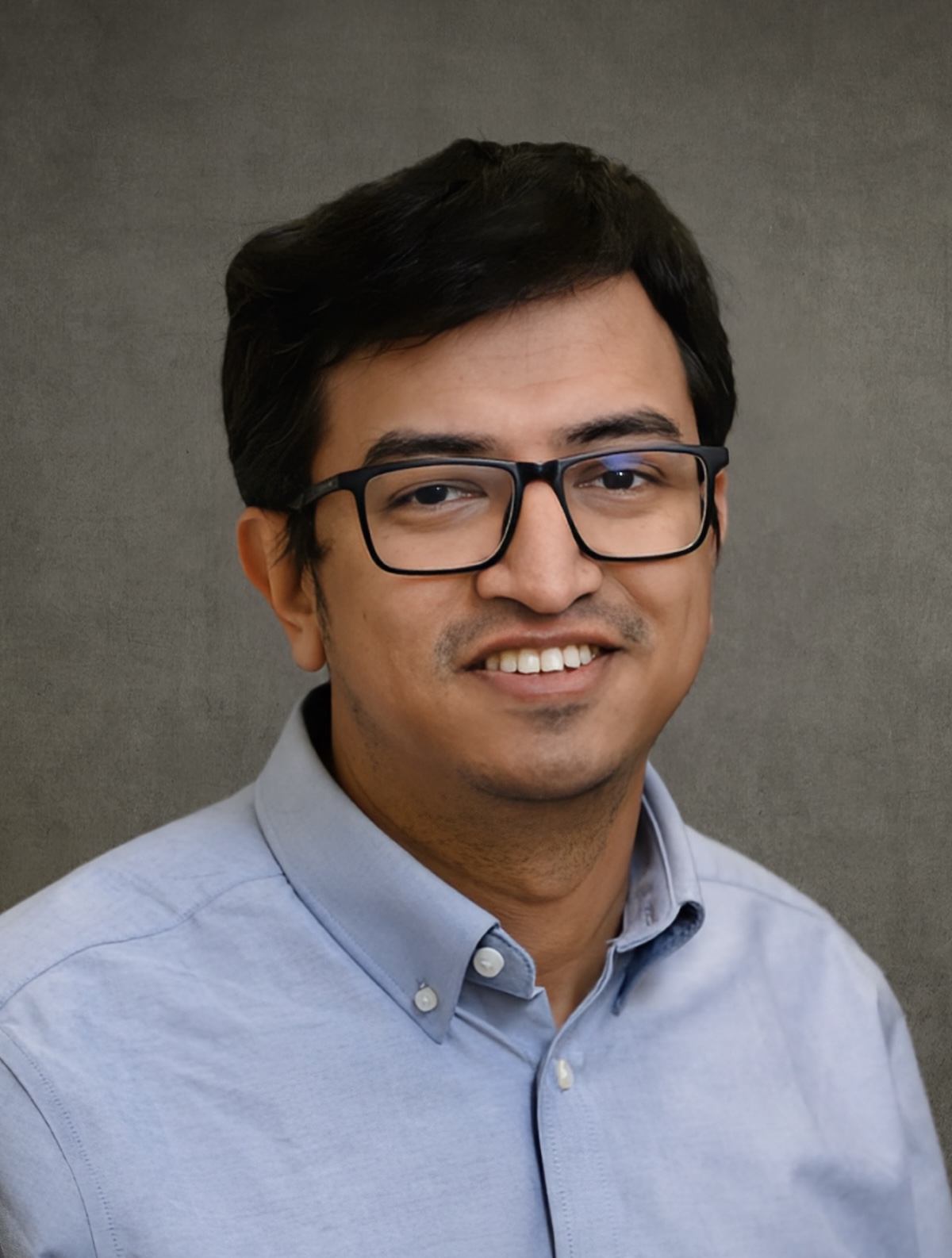 Shakhawat Tanim
Landscape Architecture and Regional and Community Planning
Shakhawat H. Tanim is a GIScientist and planner whose research examines how communities, infrastructure, and landscapes respond to water-related stress. His work advances foundational understanding of resilience, vulnerability, and cascading interdependencies among water, energy, transportation, and public health systems across watersheds and regions. Using a human-environment systems lens, spatial modeling, GeoAI, and mixed methods, Dr. Tanim connects research to community-informed, evidence-based planning and design decisions for Kansas communities and beyond.
 Sabrina Volponi
Civil Engineering
Human activities introduce a range of pollutants into surface and groundwater resources, including nutrients, microplastics, antibiotic resistance genes, and PFAS. Sabrina Volponi's research focuses on predicting where, when, and in what quantities these contaminants are likely to appear in the environment. Combining mathematical modeling with physical experimentation, she studies the environment's natural capacity to filter and degrade pollution.
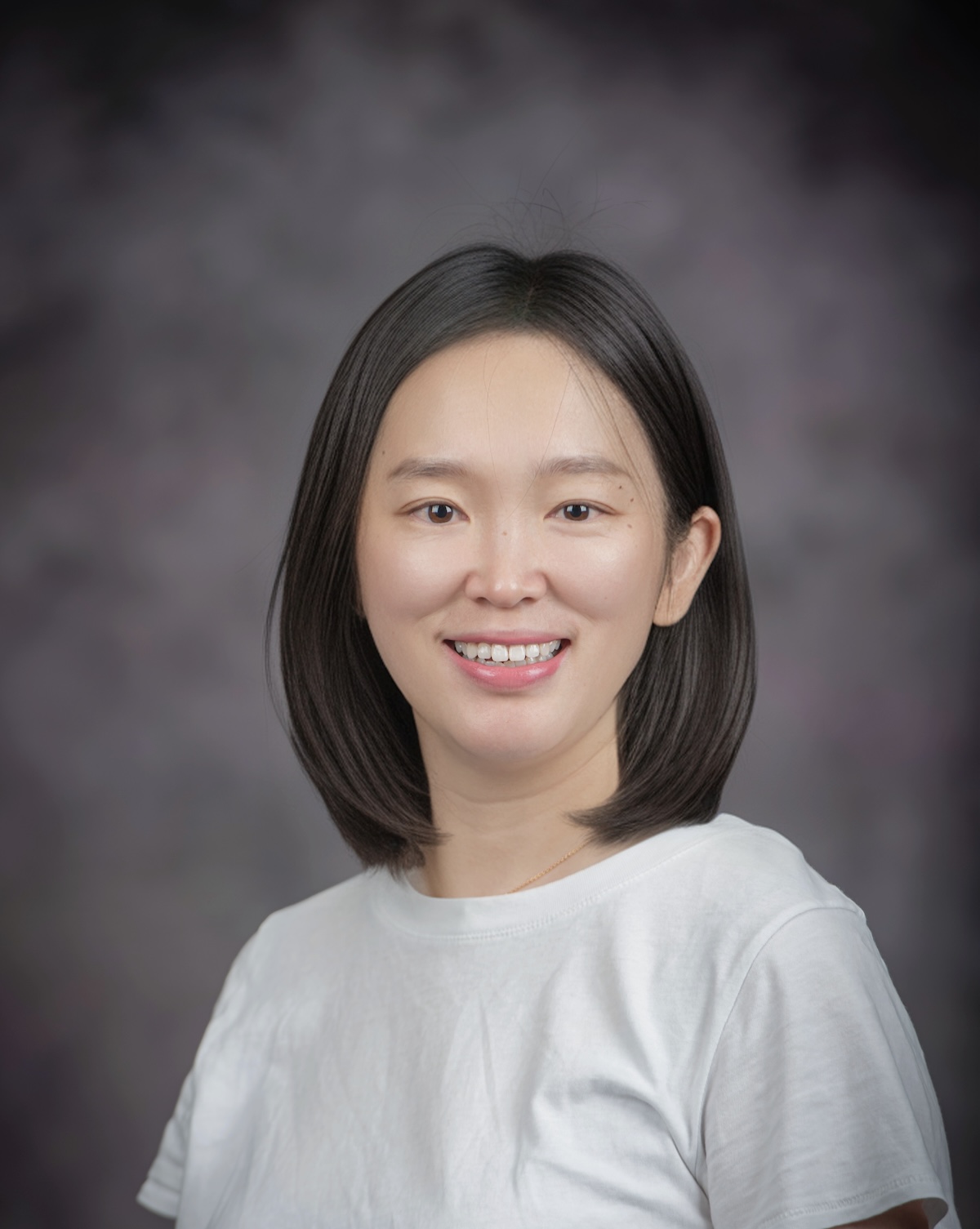 Jie Wang
Political Science
Jie Wang combines policy, political, and planning perspectives to examine how governments engage in regulatory and coordinated efforts to address water challenges. Her current research examines collaboration as a process for embracing diverse perspectives and engaging stakeholders in solving complex water problems. She is also conducting projects on environmental impact assessment of infrastructure projects and the planning of DBP-related water quality management.