CEZID/CBID Seminar Series 2023
Dr. Tony Goldberg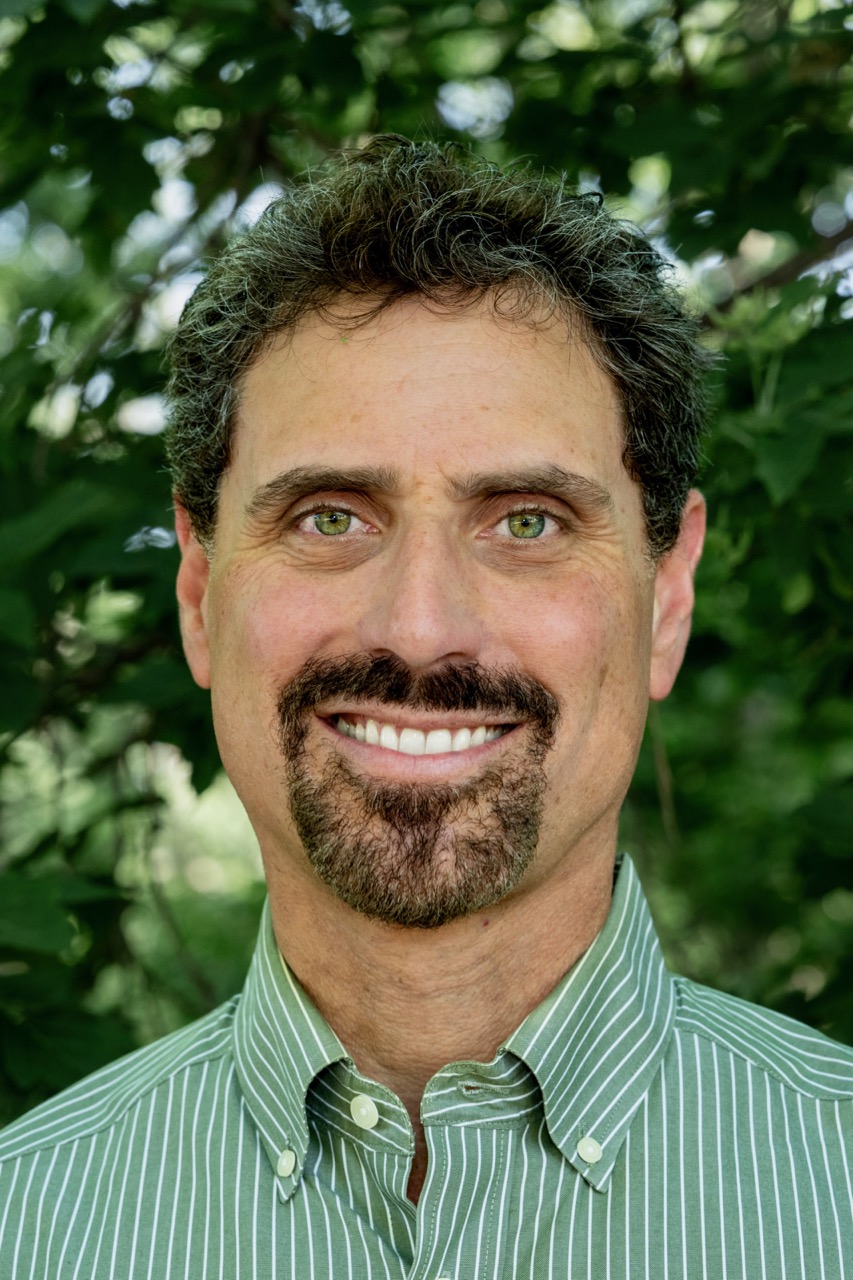
Friday, December 15, 2023, 2:30 PM CST
Presents: “Mixed Methods Research for Preventing Disease Emergence: Virology meets Anthropology"
Dr. Goldberg is Professor of Epidemiology and John D. MacArthur Research Chair at the University of Wisconsin-Madison, in the USA. He received his B.A. from Amherst College in 1990 in Biology and English, his Ph.D. from Harvard University in 1996 in Biological Anthropology, and his Doctor of Veterinary Medicine and MS in Epidemiology in 2000 from University of Illinois at Urbana-Champaign. Dr. Goldberg studies the ecology and evolution of emerging pathogens. His research combines epidemiological study designs with laboratory-based methods in metagenomics to “hunt” for the causes of disease of un-known etiology. He uses methods in the social sciences to link the resulting findings to root drivers of pathogen emergence, many of which hinge on human activities. Dr. Goldberg focuses on diseases that threaten wildlife and imperil ecosystem services, whether or not those diseases are zoonotic. His overarching goal is to improve the health and wellbeing of animals and people while helping to conserve the rapidly changing ecosystems we share.
Dr. Thomas Griffith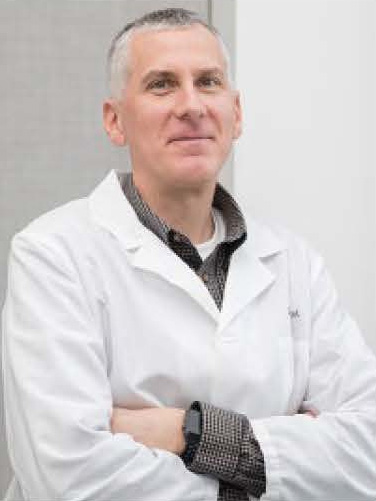
Friday, November 10, 2023, 3:00 PM CST
Presents: "Investigating sepsis-induced immune dysfunction"
Thomas Griffith is an Associate Professor in the Department of Urology at the University of Minnesota. Dr. Griffith is also a member of the Masonic Cancer Center, the Center for Immunology, and the Microbiology, Immunology, and Cancer Biology Graduate Program at the University of Minnesota. His research studies the therapeutic potential of apoptotic cell death in the treatment of cancer.
Dr. Gavin JD Smith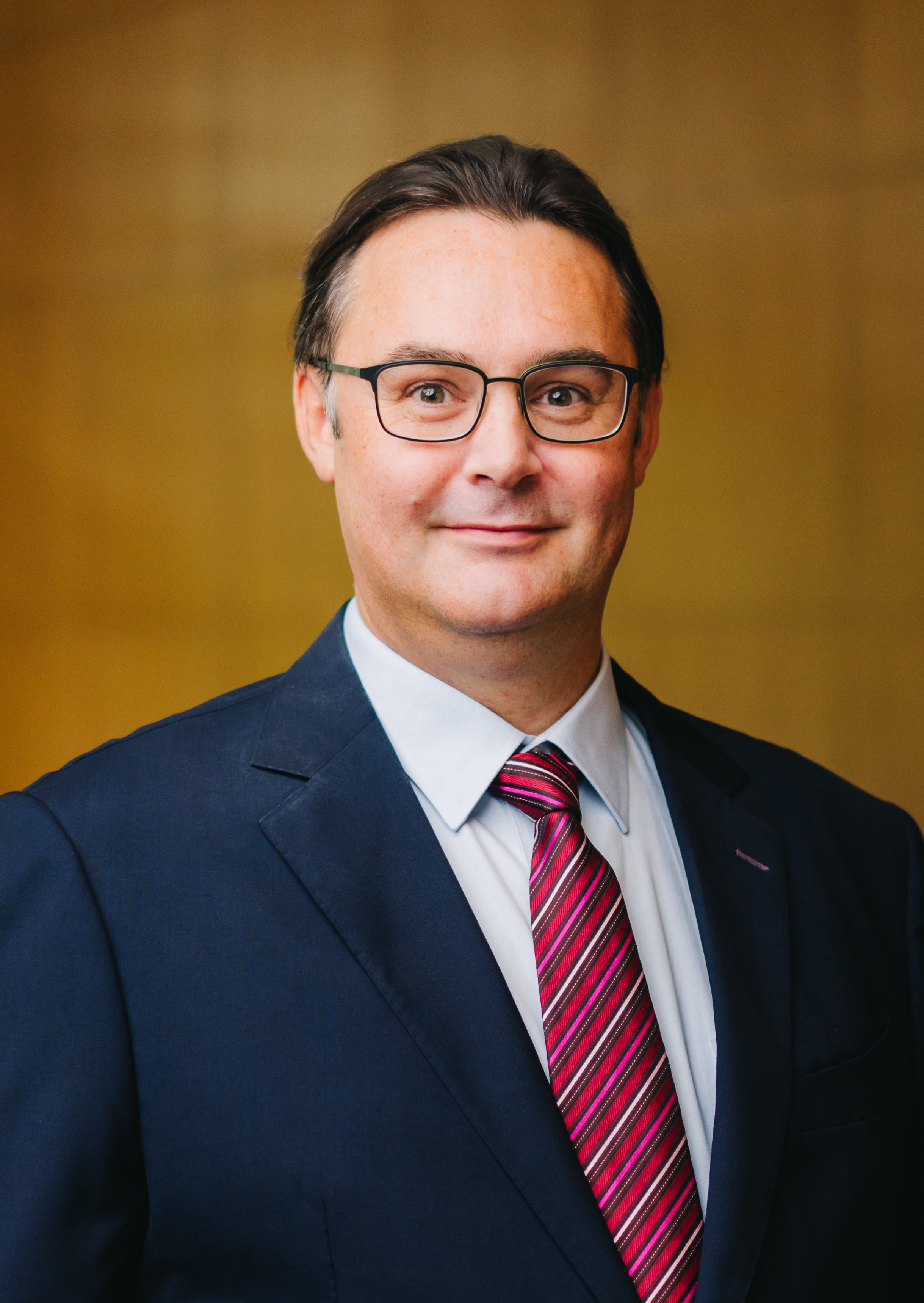
Friday, October 27, 2023, 3:00 PM CST
Presents: "The Genomic Diversity and Pandemic Risk of Swine Influenza A Viruses in Southeast Asia"
Professor Gavin Smith is Director of the Programme in Emerging Infectious Diseases at Duke-NUS Medical School with appointments at the Duke-NUS Centre for Outbreak Preparedness, and SingHealth Duke-NUS Academic Medical Centre in Singapore. His primary training was in ecology and evolution at The University of Melbourne, Austral-ia. He obtained his PhD from The University of Hong Kong where he also undertook his post-doctoral training in the Department of Microbiology, before moving to Singapore to start his laboratory. Prof Smith’s research programme primarily investigates the ecol-ogy and evolution of zoonotic viruses and the genomic epidemiology of human respira-tory pathogens. His lab conducts both human and animal disease surveillance through-out Asia via an extensive network of collaborators in universities and hospitals; govern-mental and intergovernmental research institutions (including UN agencies), NGOs and industry. The ultimate aim of his research is to better understand viral disease ecosys-tems in Asia, specifically at the animal-human interface, and to inform and enhance dis-ease control.
Dr. Donna Ginther
Friday, September 29, 2023, 3:00 PM CST
Presents: "Workforce Trends: The Future of Microbial Sciences"
Donna Ginther is a Roy A. Roberts & Regents Distinguished Professor of Economics and Director of the Institute for Policy & Social Research at the University of Kansas and a Research Associate at the National Bureau of Economic Research. Her major fields of study are scientific labor markets, gender differences in employment outcomes, wage inequality, science policy, and investments in children.
Dr. Garth Ehrlich 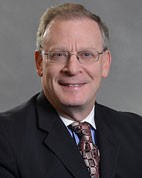
Friday, May 26th, 2023, 3:00 PM CST
Presents "Investigating the Bacterial Genomie Dark Matter with Machine Learning"
Dr. Ehrlich is a Professor of Microbiology and Immunology, and Director of Research, Department of Otolaryngology- Head and Neck Surgery at Drexel University, College of Medicine (DUCoM) in Philadelphia, PA, USA. His scientific career has been characterized by the integration of technologies and ideas across a broad spectrum of academic and clinical disciplines and the continuous development of highly significant advances in diagnostics, informatics, artificial intelligence, infectious diseases, genetic diseases, wound healing and evolutionary biology. Dr. Ehrlich was elected a fellow of both the American Association for the Advancement of Science and the American Academy of Microbiology based on his works in the de-velopment of molecular diagnostics, genomic technologies, and evolution-ary and physiological modeling of chronic bacterial pathogenesis.
Dr. Sean Brady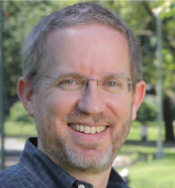
Friday, April 14, 2023, 3:00 PM CST
Presents: "Natural Antibiotics Without Natural Processes"
Sean Brady is a faculty member in the David Rockefeller Graduate Program, the Tri-Institutional M.D.-Ph.D. Program, and the Tri-Institutional Ph.D. Program in Chemical Biology. His Focus is the development of new strategies for studying genetically encoded small molecules produced by bacteria that have not been grown in the lab.
Dr. Heinz Feldmann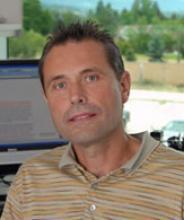
Friday, March 31, 2023, 3:00 PM CST
Presents: “Crimean-Congo Hem-orrhagic Fever: A Neglected WHO Priority Disease”
Dr. Heinz Feldmann graduated from Medical School in 1987 (MD) and received his PhD in 1988 both from the University of Marburg, Germany. His postdoctoral research was conducted in the field of virology (filoviruses and hantaviruses) at the Institute of Virology in Marburg and the Centers for Disease Control and Prevention in Atlanta, USA (‘National Research Council’ fellowship). His academic career continued with positions as Assistant and Associate Professor at the Institute of Virology in Marburg. During this time, he was trained in infectious diseases and epidemiology. From 1999-2008, Heinz Feldmann held the position of Chief, Special Pathogens Program of the National Microbiolo-gy Laboratory, Public Health Agency of Canada. Since 2008, he is the Chief, Laboratory of Virology, and the Chief Scientist of the BSL4 Laboratories at the Rocky Mountain Laboratories, NIAID, NIH. In addition, he is an Associate Professor with the Department of Medical Microbiology, University of Manitoba, and a Faculty Affiliate with the University of Montana. Heinz Feldmann is the laboratory expert on high containment pathogens and serves as a consultant on emerging viruses for the World Health Organization. He has field experience and expertise in outbreak management. His research interest is in the pathogenesis and transmission of emerging viral pathogens, and the development of countermeasures against those pathogens. Heinz Feldmann was awarded with several honors including the ‘Löffler-Frosch Award’ from the German Society for Virology, the ‘Dalrymple/Young Award’ from the American Committee on Arthropod-Borne Viruses, and several Research Merit Awards from the Public Health Agency of Canada, the NIAID and the NIH. He is an elected member of the German Academy of Science (Leopoldina), the US National Academy of Medicine and the American Academy of Microbiology. His major scientific achievements of public health significance are the design and foundation of on-site mobile laboratory support, the establish-ment of diverse animal disease models, and the development of treatments (e.g. antibodies, polymerase inhibitors) and vaccines (e.g. VSV-EBOV) for emerging/re-emerging viral pathogens.
Dr. Michael Gilmore 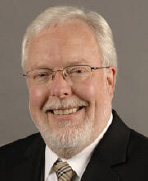
Friday, February 24, 2023, 3:00 PM CST
Presents: "Confronting antibiotic resistance: Lessons learned by studying the origins of resistance in the Enterococci"
Michael Gilmore is a Sir William Osler Professor of Ophthalmology (Microbiology and immunobiology) and director of the Harvard Infectious Disease Institute.
Dr. David E. Wentworth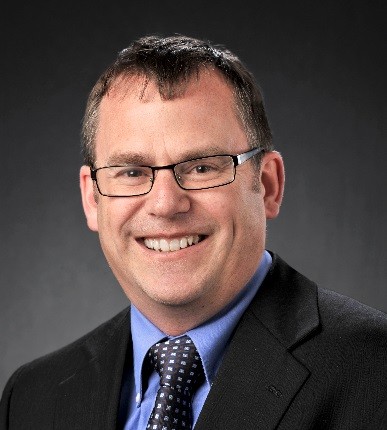
Friday, January 27, 2023, 3:00 PM CST
Presents: "Influenza Virus Surveillance and Vaccines"
Dr. David Wentworth received a B.S. in Poultry Science, an M.S. in Veterinary Medicine, and a Ph.D. in Virology at the University of Wisconsin-Madison (United States), where he specialized in the study of influenza viruses. He studied coronaviruses as a postdoctoral fellow and later as an Instructor in the Department of Microbiology at the University of Colorado Health Sciences Center in Denver (United States). He has conducted virological research since 1990 and has published over 200 papers and book chapters. He has been the Director of the National Influenza Center in the U.S. and the Collaborating Centre for Surveillance, Epidemiology and Control of Influenza at the CDC since April 2019.