Keynote speakers
The Heartland AI Symposium is pleased to present three Keynote speakers for the 2026 event!
Vered Shwartz
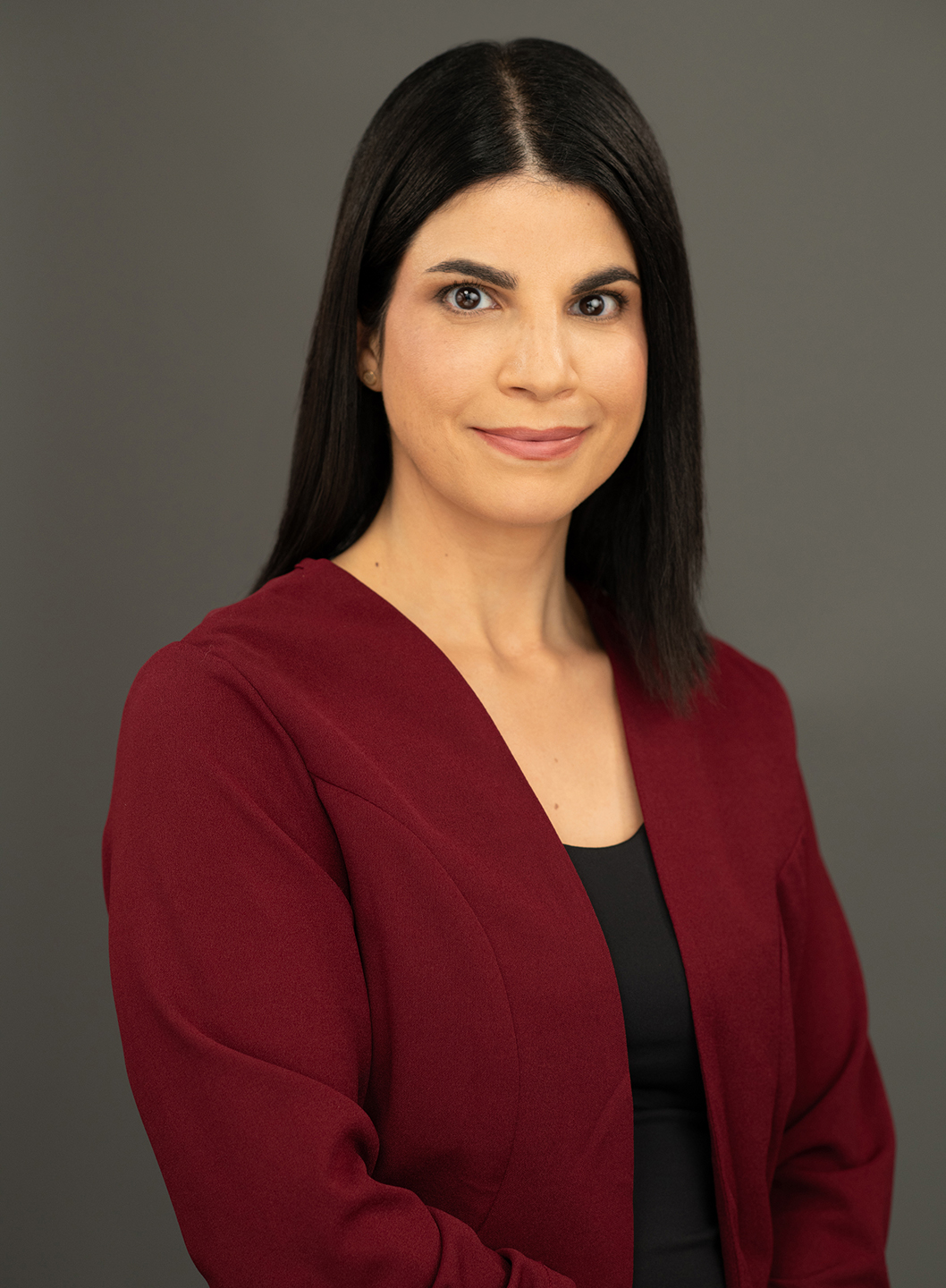
Keynote Session: Tuesday, Nov. 10th at 9am
Session Description:
Title: Large language models are not designed to serve their diverse user population
Despite their amazing success, large language models (LLMs) suffer from several limitations. This talk focuses on one of these limitations: the models’ narrow Western or even North American lens, as a result of training on web text primarily in English and from US-based users. As a result, users from diverse cultures that are interacting with LLMs may feel misunderstood and experience them as less useful. Worse still, when LLMs are used in applications that make decisions about people’s lives, lack of cultural awareness may lead to models perpetuating stereotypes and reinforcing societal inequalities. In this talk, I will present a line of work from our lab that looks how at how these biases manifest as real risks to users, and what it might take to move toward models with genuine cultural competence — from equipping them with knowledge of diverse cultural concepts, to teaching them when and how to apply that knowledge appropriately
Shwartz Bio:
Vered Shwartz is an Assistant Professor of Computer Science at the University of British Columbia, and a CIFAR AI Chair at the Vector Institute. Her research in natural language processing focuses on testing and improving the capabilities of large language models and vision and language models, developing culturally-competent AI, and responsible NLP applications in sensitive domains (e.g., legal, medical). Before joining UBC, she was a postdoctoral researcher at the Allen Institute for AI (AI2) and the Paul G. Allen School of Computer Science & Engineering at the University of Washington. Prior to that, she received her PhD in Computer Science from Bar-Ilan University in 2019.
Website: https://www.cs.ubc.ca/~vshwartz/
Jonathan Herington
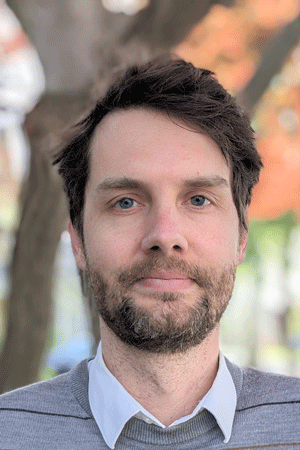
Keynote Session: Tuesday, Nov. 10th at 4:30pm
Session Description:
Title: Grieving with Machines: The Ethics of AI Simulations of the Dead
AI companions are increasingly populating the emotional lives of Americans, generating curiosity and consternation in equal measure. This talk explores one especially unsettling kind of AI companion: griefbots. Designed to simulate a deceased person's personality and voice, these systems promise the continuation of an intimate relationship even after death. Amongst many people, griefbots provoke strong intuitive objections: that they undermine healthy grieving processes, that they violate the dignity of the dead, and that they exploit people at their most vulnerable. Drawing on philosophical work on friendship, dignity, and exploitation, this talk asks whether the creation and use of griefbots is fundamentally morally wrong or whether some ways of simulating the dead can be morally permissible.
Herington Bio:
Jonathan Herington is an Associate Professor of Health Humanities & Bioethics at the University of Rochester. His research focuses on the political philosophy of science, health and technology. More specifically, he uses the tools of political philosophy to interrogate the governance of health technologies, dual-use research, fairness in machine-learning algorithms, resource allocation during health emergencies, and secondary research ethics.
Dr. Herington is the Director of the Translational Research for Implementation of Augmented Decision-making (TRIAD) Project. This significant seven-year, NIH-funded initiative, supported by the University of Rochester’s Clinical and Translational Science Institute, focuses on identifying and resolving critical barriers to the successful implementation of clinical decision-support systems. In this capacity, he leads a multidisciplinary team of bioethicists, computer scientists, informaticians, and translational scientists.
His contributions to this area also include developing comprehensive ethical guidelines for AI in medical imaging that address the entire development and deployment lifecycle, analyzing the ethical implications of AI-powered psychotherapy chatbots in pediatric care, end-of-life decisions, and ambient intelligence systems. This approach reveals how seemingly neutral technical choices in AI development can have significant distributive consequences and how AI governance frameworks must address questions of justice alongside traditional concerns about safety and efficacy.
Between 2014 and 2019, Dr. Herington served as an Assistant Professor in the Department of Philosophy at Kansas State University. Prior to that appointment, he was a Research Fellow in the Medicine, Ethics, Society and History unit at the University of Birmingham. He completed his PhD in the School of Philosophy at the Australian National University.
Departmental website: https://www.urmc.rochester.edu/people/112363425-jonathan-c-herington
Google scholar profile: https://scholar.google.com/citations?user=UsFWH5UAAAAJ&hl=en
Jared Cooney Horvath
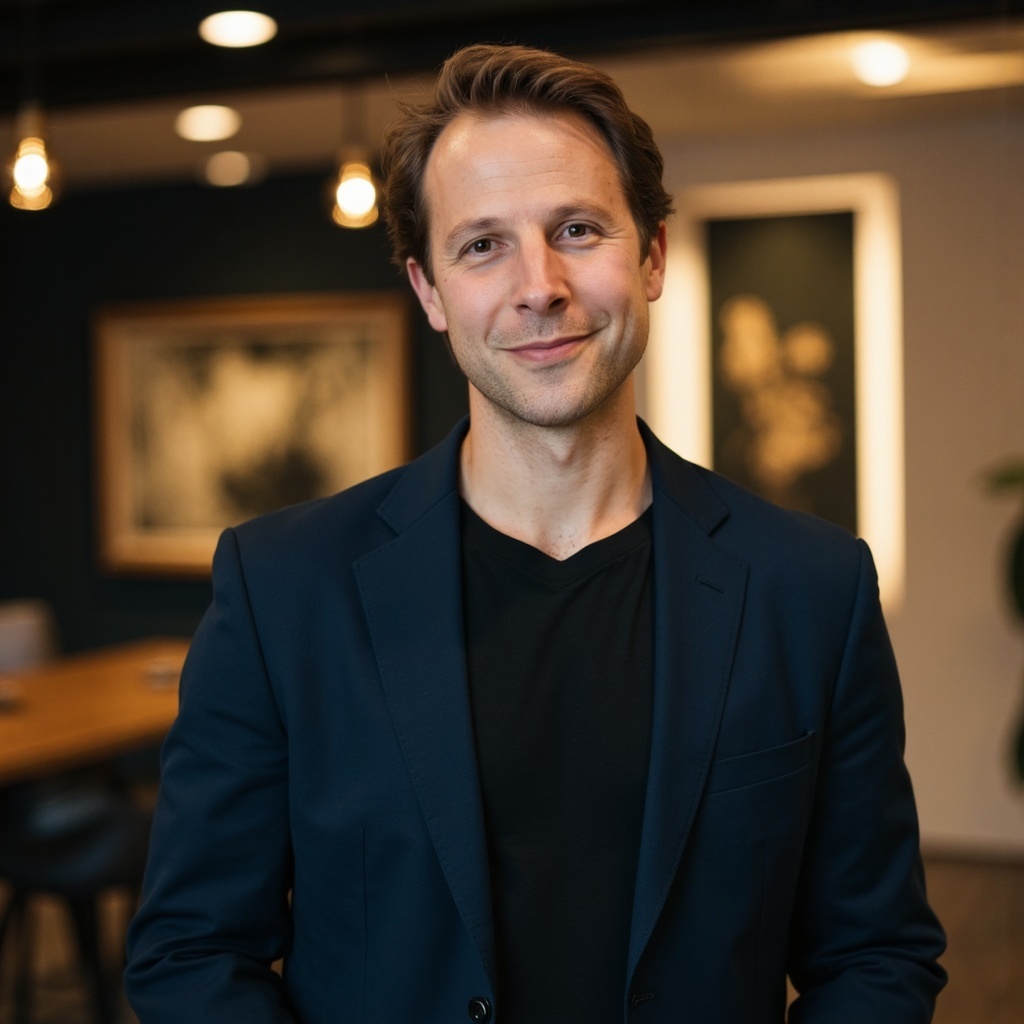
Keynote Session: Wednesday, Nov. 11th at 9am
Session Description:
Title: Artificial Intelligence and Genuine Learning: Like Oil and Water
For the past several years, schools have been told that if they hope to remain relevant, they must adapt to artificial intelligence. The message has largely been ‘adapt or die’. But what, exactly, are we being asked to adapt to? In this keynote, we'll examine what AI actually does (and, perhaps more importantly, what it doesn't do) for human learning. Drawing on neuroscience, psychology, and the educational science, we'll explore why many AI tools conflict with the conditions required for deep, durable, and transferable learning. We'll also consider several principles that make genuine learning possible, and why AI so often works against them. In the end, what if instead of ‘adapt or die’ the proper motto should be ‘resist and thrive’?.
Horvath Bio:
Jared Cooney Horvath (PhD, MEd) is a neuroscientist, educator, and best-selling author who specializes in human learning and brain development. He is the creator of The Learning Blueprint, an international award-winning program helping educators and students understand how learning actually works.
Jared has conducted research and taught at Harvard University, Harvard Medical School, and the University of Melbourne, and has worked with more than 1,000 schools around the world. He is the author of six books, including his newest, "The Digital Delusion". He has published over fifty research articles, and his work has appeared in The New Yorker, The Atlantic, The Economist, Harvard Business Review, and ABC’s Catalyst.
Jared currently serves as Director of LME Global, an organization dedicated to bringing cutting-edge brain and behavioral science to educators, students, and communities. To inquire about working with him, or to learn more about his international award-winning Science of Learning programs (The Learning Blueprint for Teachers & The Learning Blueprint for Students), visit www.lmeglobal.com.
Socials:
YouTube: https://www.youtube.com/jaredcooney
LinkedIn: https://www.linkedin.com/in/jared-cooney-horvath-phd-med-730704b2/
Instagram: https://www.instagram.com/jared.cooney.horvath/
Facebook: https://www.facebook.com/lmeglobal.net
Surprise Keynote - Thomas Beresnyak
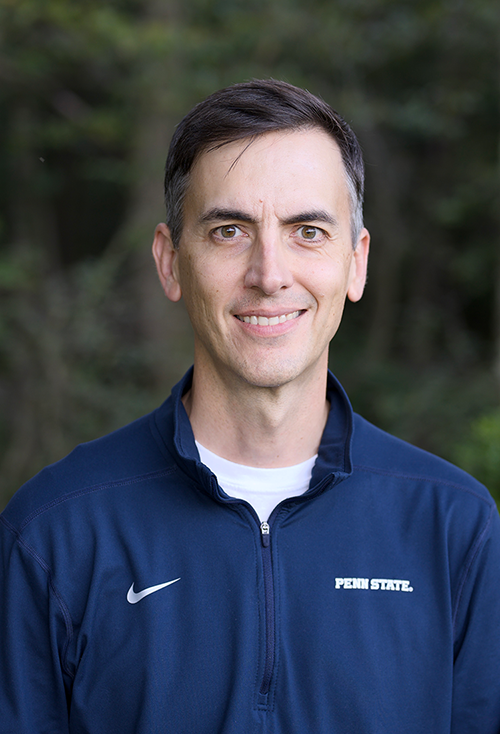
Keynote Session: Thursday, Nov. 12th at 9am
Session Description:
Title: Data Centers: From AI to Zettabytes, with Energy In Between
A general 101 style AI overview, providing data center definitions, information about power requirements, water usage, broadband needs, community perspectives, and land use issues.
Beresnyak Bio:
Tom Beresnyak is a Senior Educator with the Penn State Extension Energy Team. In this role, Tom focuses on science-based educational outreach to community members, organizations, and government officials. He works primarily with farmers, landowners, local government officials, and communities regarding utility-scale solar, natural gas, nuclear, biogas, geothermal, battery storage, and other energy-related projects. Tom’s energy experience includes working with electric distribution cooperatives, wind energy policy, and several statewide energy associations.
Link to Bio: https://extension.psu.edu/thomas-beresnyak