.jpg)
.jpg)
Facilitation skills are useful beyond group meetings. They can be used for planning, for "growing" new leaders, for resolving conflicts, and for keeping good communication in any organization or system to which you belong.
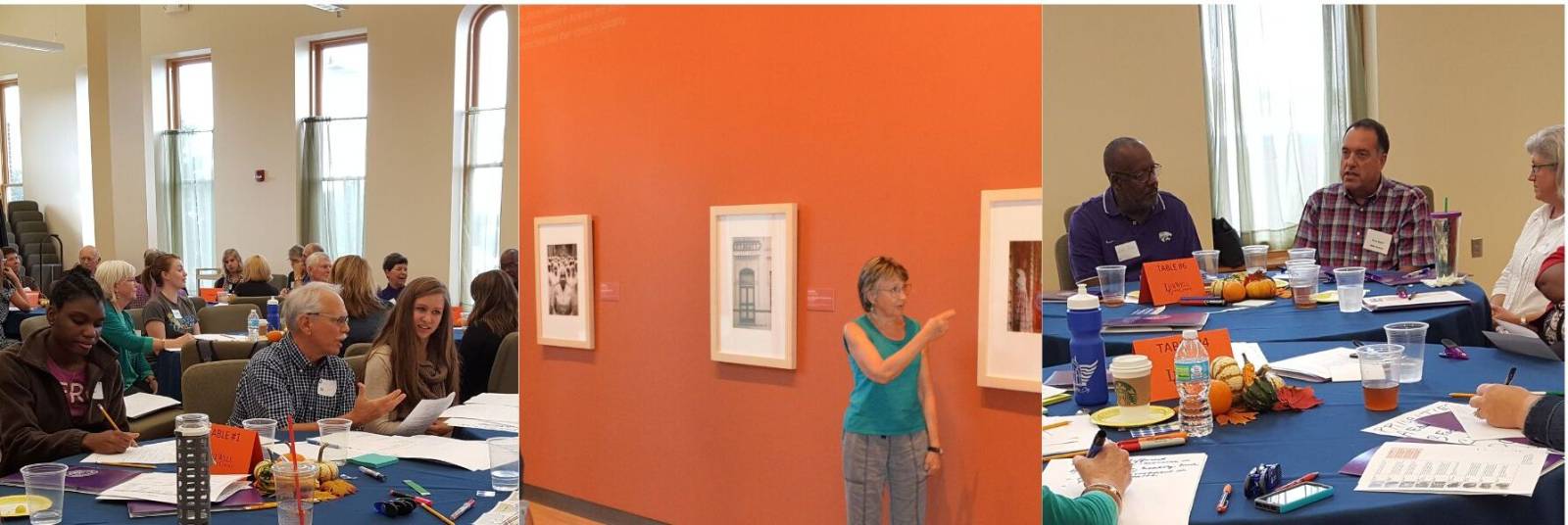
**This workshop is designed to explore how skilled facilitators demonstrate each of these principles.
* Full Participation – Members of groups need to feel comfortable raising their ideas and any difficult issues. They also need to practice identifying and acknowledging the diversity of ideas and potential contributions inherent in any group.
* Mutual Understanding – Members of groups need to accept and understand the validity of others' needs and goals. This allows people to develop creative ideas and solutions that incorporate all points of view.
* Respect Others – Members of groups need to feel they have been heard and understood, and that the ideas they put forth for consideration are valued. As participants learn more about each other's perspectives, they progressively become more able to integrate their own goals and needs with those of the other participants. This leads to innovative, original thinking that often results in wise and inclusive solutions.
* Shared Responsibility – Members of groups feel a strong sense of responsibility for creating and developing sustainable agreements. They recognize that they must be willing and able to implement the proposals they endorse, so they make every effort to give and receive input before final decisions are made.
Institute for Civic Discourse and Democracy
202 Ahearn Field House
Kansas State University
Manhattan, KS 66506